

Alcohol neuropathy rarely shows up with a clear announcement. More often, it starts as a weird sensation you can’t quite explain. Maybe your feet burn at night. Maybe your toes feel numb on cold mornings. Maybe you’re tripping more than you used to, or your balance feels “off” on stairs. At first, it’s easy to brush off. Most people do.
Over time, those small signs can turn into daily discomfort. Some people get used to it and push through. Others start searching for answers because something feels wrong, and they want to know if it’s serious, if it’s reversible, and what they can do about it.
That’s what this guide is for. It explains what alcohol neuropathy is, why it happens, how it’s diagnosed, what symptoms can look like, and what treatment can do to support healing. The goal isn’t to scare you. It’s to help you connect the dots and take the next step with more clarity.
What Is Alcohol Neuropathy?

Alcohol neuropathy is nerve damage linked to long-term or heavy alcohol use. Over time, alcohol can interfere with how nerves send signals and how the body repairs nerve tissue. It can also contribute to nutritional deficiencies that nerves depend on to function well.
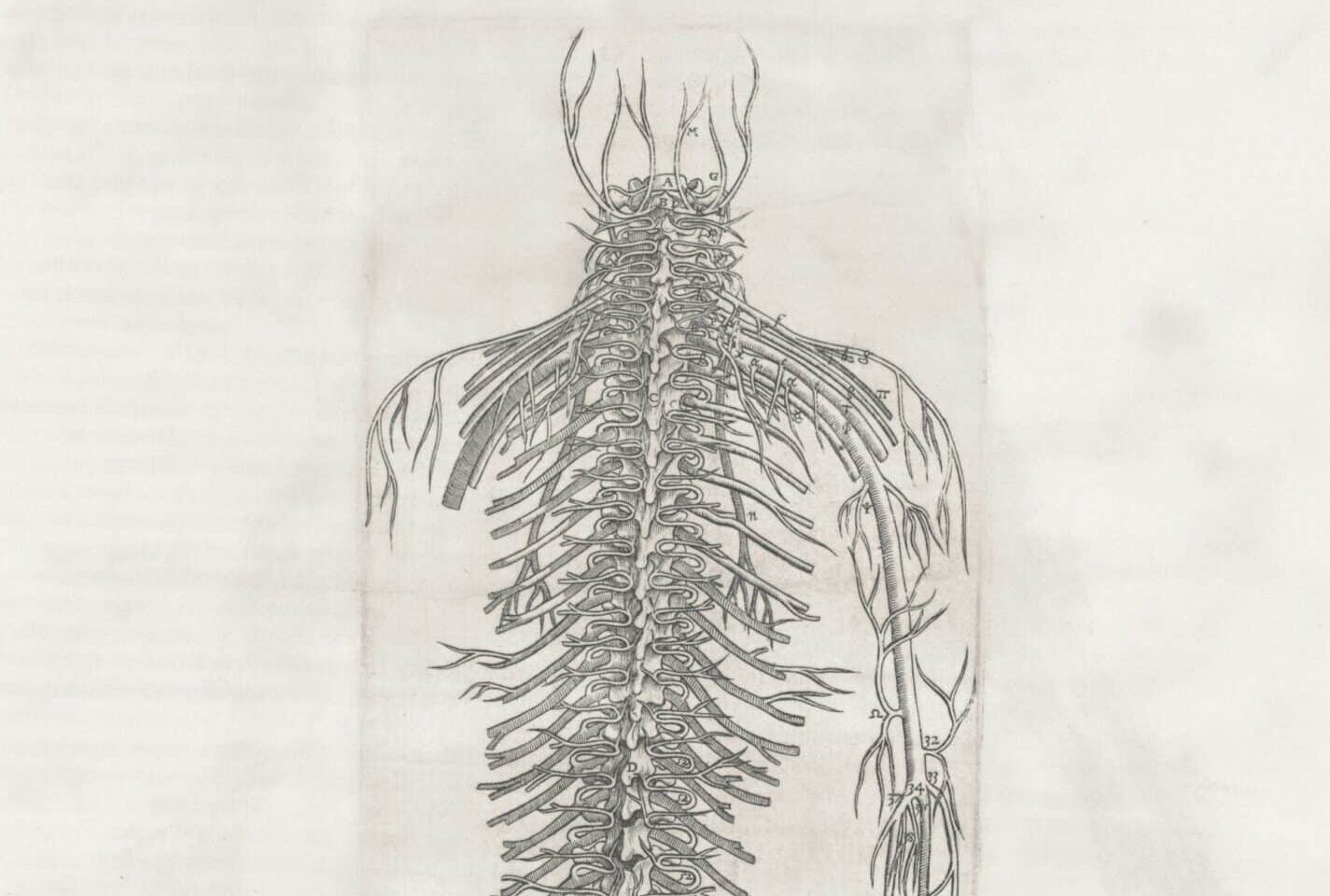
Alcohol neuropathy most often affects the peripheral nerves, which carry signals between the brain and the rest of the body. Symptoms commonly begin in the feet and legs and may gradually spread upward. For some people, hands can be affected later on.
The condition tends to develop slowly. That’s why many people don’t connect the symptoms to drinking until the discomfort becomes harder to ignore.
Am I Experiencing Alcohol Neuropathy?
This section is a quick orientation tool. It’s not meant to diagnose you, but to help you recognize common patterns so you know whether alcohol neuropathy is a reasonable possibility to explore with a medical professional.
Alcohol neuropathy often looks like:
- Burning, tingling, or “pins and needles,” especially in the feet
- Numbness or reduced sensation (your feet feel “asleep” or dull)
- Symptoms that are worse at night or when you’re trying to rest
- Sensitivity to touch (even socks or sheets feel irritating)
- Weakness, heaviness, or cramps in the legs
- Balance issues or feeling unsteady on uneven ground
- Minor injuries you don’t feel right away, especially on the feet
If you’re noticing symptoms like these and alcohol has been a regular part of your life, it’s worth getting checked out. Early evaluation can help rule out other causes, confirm what’s going on, and reduce the chances of the damage progressing.
Why Alcohol Causes Nerve Damage
Nerves rely on steady blood flow, balanced nutrition, and stable chemical signaling to do their job. Long-term alcohol use can disrupt each of those systems, which is why neuropathy often develops gradually and then becomes harder to ignore over time.
The Direct Effect Alcohol Can Have on Nerve Tissue
Alcohol can have a toxic effect on nerves with ongoing heavy use. It can interfere with normal nerve signaling and contribute to wear and tear on nerve fibers. As that communication breaks down, symptoms like burning, tingling, and numbness become more likely.
When Drinking Disrupts the Nutrients Nerves Depend On
Nerves need specific nutrients to function and repair, especially thiamine (vitamin B1) and other B vitamins. Alcohol can reduce absorption and deplete stores over time, even in people who eat regularly. When the body doesn’t have what it needs to maintain nerve health, damage becomes more likely and healing tends to move slower.
Inflammation and Stress on the Nervous System
Alcohol can increase inflammation and oxidative stress in the body. That added strain can make nerves more vulnerable to injury and can compound the effects of nutrient deficiencies. For some people, these combined factors accelerate symptoms.
Even after someone stops drinking, improvement can take time. Nerves heal slowly, and the body may need sustained nutrition and recovery support to rebuild what it can.
Common Symptoms Of Alcohol Neuropathy

Symptoms of alcohol neuropathy can be confusing because they don’t always show up all at once. Many people notice a few mild changes first, then realize later that those “little things” have been building over time. This section is meant to help you spot common patterns so you know what to bring up in a medical evaluation and what to pay attention to day to day.
Alcohol neuropathy often starts in the feet and legs, then may spread upward. Some people mostly notice sensory symptoms (pain, tingling, numbness). Others also develop movement and balance issues as the nerves that control muscles become affected.
Pain, Burning, Or Tingling
People often describe burning feet, pins-and-needles, or sharp “electric” sensations. Symptoms may flare at night or when you’re trying to rest, which can disrupt sleep and make the discomfort feel more intense.
Numbness Or Reduced Sensation
Numbness can feel like dullness, heaviness, or a loss of temperature awareness. This matters because it can make it easier to miss small injuries, blisters, or sores, especially on the feet.
Sensitivity To Touch
Some people notice the opposite of numbness: increased sensitivity. Socks, shoes, or even bedsheets can feel irritating or painful. This can be a sign that sensory nerves are misfiring and sending stronger signals than they should.
Weakness, Cramping, Or Muscle Fatigue
When motor nerves are involved, muscles may feel weak, shaky, or quick to fatigue. You might notice more trouble climbing stairs, standing for long periods, or keeping a steady grip. Leg cramps can also become more frequent.
Balance And Coordination Changes
As sensation decreases, the brain gets less feedback about where your feet are. This can lead to unsteadiness, tripping, or feeling off balance, especially in the dark or on uneven ground.
Digestive Or Bladder Changes
Alcohol neuropathy can affect autonomic nerves, which help regulate digestion, heart rate, and bladder function. Some people experience bloating, nausea, constipation, diarrhea, or changes in urinary frequency.
If you’re seeing symptoms like these and alcohol has been a regular part of your life, it’s worth getting checked out. Tracking when symptoms happen (time of day, after drinking, after activity, during sleep) can also give a provider useful clues.
How Alcohol Neuropathy Is Diagnosed
There isn’t a single test that confirms alcohol neuropathy. Diagnosis usually comes from looking at the full picture: symptoms, drinking history, and how the nervous system is functioning. The goal is to identify nerve damage, understand what’s causing it, and rule out other conditions that can look similar.
Reviewing Symptoms And Alcohol Use History
A provider will start by asking about symptoms, when they began, and how they’ve changed over time. They may also ask about drinking patterns, including how long alcohol has been part of your routine and whether symptoms improve or worsen with changes in use. This isn’t about judgment. It helps determine whether alcohol may be contributing to nerve damage.
Neurological And Physical Examination
A physical exam often focuses on reflexes, strength, sensation, and balance. Providers may check how well you feel touch, temperature, or vibration and observe how you walk. These findings can help pinpoint which nerves are affected and how advanced the symptoms may be.
Blood Tests To Look For Contributing Factors
Blood work is often used to check for vitamin deficiencies, especially B vitamins like thiamine. Providers may also screen for diabetes, thyroid issues, or other medical conditions that can cause neuropathy. Identifying these factors helps guide treatment and supports nerve healing.
Nerve Conduction Studies Or EMG
In some cases, nerve conduction studies or electromyography (EMG) are used to measure how well nerves transmit electrical signals. These tests can confirm nerve involvement and help rule out other causes of pain or weakness.
Diagnosis is an important first step. Once the cause is clearer, treatment can focus on protecting nerve health and addressing the alcohol use patterns that contributed to the damage.
How Alcohol Neuropathy Affects Daily Life
Alcohol neuropathy can reshape daily routines in ways that build slowly over time. This section highlights the most common “real life” impacts so you can recognize what’s happening and explain it clearly in a medical visit.
Walking And Standing May More Difficult
Pain, burning, numbness, and weakness can make basic movement feel harder than it used to. Long walks, standing in line, or being on your feet at work may lead to faster fatigue or more discomfort.
Can Increase Fall And Injury Risk
When sensation decreases, it becomes harder to feel the ground, notice uneven surfaces, or catch yourself quickly. Numbness can also make it easier to miss blisters, cuts, or sores, especially on the feet, which can turn into bigger problems if they go unnoticed.
Potentially Disrupt Sleep And Energy
Symptoms often feel worse at night. Burning, tingling, cramps, and discomfort can interrupt sleep or keep you from falling asleep in the first place. Over time, poor sleep can affect mood, focus, and motivation.
Affect Mood And Confidence
Living with ongoing discomfort can wear you down. Many people feel more irritable, discouraged, or anxious, especially if symptoms limit independence or make the future feel uncertain. Some people also start second-guessing themselves in social or work situations because their body feels less reliable.
Feed A Stress-Drinking Cycle
When alcohol is still in the picture, neuropathy can become part of a loop: symptoms increase stress, stress increases the urge to self-medicate with alcohol for relief, and drinking continues to strain the nervous system and worsen nerve damage. Breaking that cycle often starts with naming it and getting support that addresses both alcohol use and physical symptoms together.
Treatment Options For Alcohol Neuropathy

Treatment focuses on protecting nerve health, reducing symptoms, and preventing further damage. Because alcohol neuropathy develops over time, effective care often addresses several areas at once.
Stop Or Reduce Alcohol Use
Reducing or stopping alcohol use is the most important step. Continuing to drink can worsen nerve damage and slow healing. If withdrawal is a concern, medical support can help make stopping safer and more manageable.
Vitamin And Nutrient Support
Alcohol can deplete thiamine (B1) and other B vitamins that nerves rely on to function and repair. Treatment often includes targeted supplementation and nutrition support to help restore what the body needs for healing.
Medications For Nerve Pain
Nerve pain can be persistent and disruptive, especially at night. A medical provider may recommend medications that reduce nerve-related pain signals, improve comfort, and support sleep.
Physical Therapy And Strength Rebuilding
Physical therapy can help improve balance, gait, and muscle strength. It can also reduce fall risk and help you regain confidence in movement, especially if neuropathy has affected coordination.
Lifestyle Changes That Support Nerve Healing
Small daily changes can support nerve health over time, such as staying hydrated, eating consistent balanced meals, managing blood sugar if relevant, and using gentle movement to improve circulation. Foot care also matters, especially if you have numbness and may not notice injuries right away.
Get Support For Alcohol Neuropathy And Recovery
Alcohol neuropathy can be frustrating, but improvement is possible with the right care and the right next steps. If you’re noticing symptoms like burning, tingling, numbness, or balance changes, getting support now can help protect your nerves and prevent symptoms from progressing.
At Northpoint Recovery, our alcohol addiction treatment programs address both alcohol use and the physical impact it can have on the body. When needed, we offer medical detox to help you stop drinking safely, along with ongoing care that supports long-term recovery.
You don’t have to manage this alone. Contact us today to learn what support could look like for you.
Full Infographic: