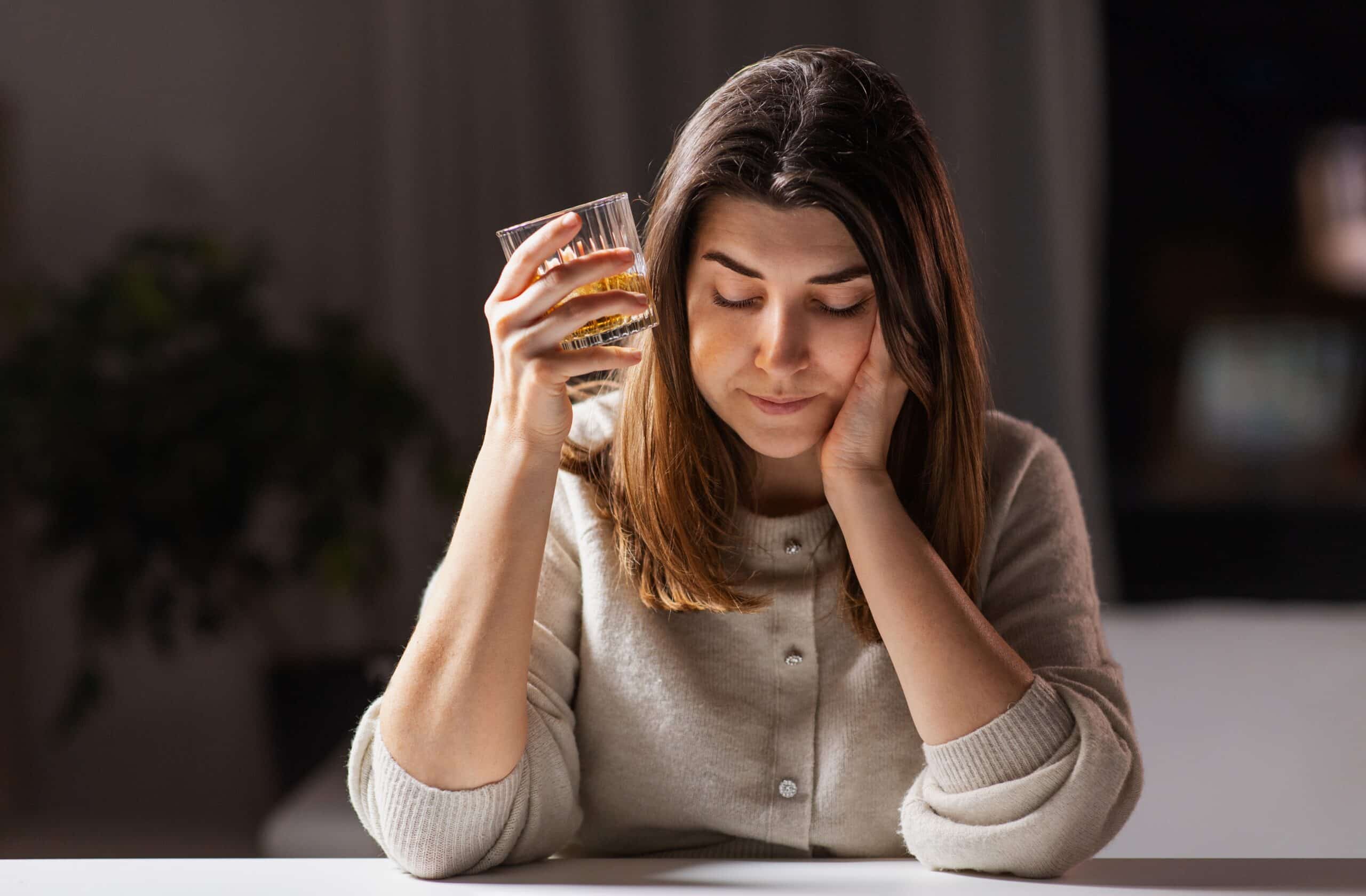


Feeling unusually tired after drinking is something many people have experienced at some point. For some, that exhaustion fades after a day or two. For others, the fatigue lingers much longer and begins affecting daily life. This ongoing exhaustion is sometimes referred to as alcohol fatigue syndrome.
Alcohol fatigue syndrome is not an official medical diagnosis. Instead, the term is used to describe persistent tiredness, brain fog, and low energy that can happen when alcohol disrupts the body’s normal functioning. Alcohol affects several systems at once, including sleep cycles, brain chemistry, hydration, and the body’s ability to regulate energy.
Because these systems are closely connected, even moderate or occasional drinking can sometimes leave people feeling drained the next day. When alcohol use becomes more frequent or heavier, the fatigue can become more noticeable and last longer.
Many people describe this fatigue as feeling different from normal tiredness. Sleep may not feel restorative, concentration can become harder, and motivation may drop. Everyday tasks that once felt manageable may start requiring more effort than usual.
Why Alcohol Can Leave You Feeling So Tired
Acting as a depressant, alcohol slows activity in the brain and nervous system. While this can create a temporary feeling of relaxation, it can also interfere with the body’s natural systems that regulate energy and alertness.
One of the biggest factors is how alcohol affects sleep. Drinking may make someone feel sleepy at first, but it disrupts the deeper stages of sleep that allow the brain and body to fully recharge. As a result, someone may sleep for several hours yet still wake up feeling exhausted.
Alcohol also contributes to dehydration, which can worsen fatigue and headaches. Even mild dehydration can make it harder to concentrate and maintain energy throughout the day.
At the same time, alcohol affects neurotransmitters that help regulate mood and motivation. When these chemical signals are disrupted, people may notice brain fog, irritability, or a general sense of sluggishness.
When these effects combine, it becomes easier to see why alcohol-related fatigue can feel so overwhelming. The body is trying to recover from disrupted sleep, chemical imbalances, and physical strain all at once.
Why Alcohol Causes Fatigue
To understand why alcohol fatigue happens, it helps to look at what alcohol does inside the body. Drinking affects several systems at the same time, which is why the tiredness can feel both physical and mental.
Some of these changes happen immediately after drinking, while others build gradually with repeated alcohol use. Over time, the body may struggle to maintain normal energy levels because alcohol keeps interfering with the processes that support rest, recovery, and stable mood.
Disrupted Sleep Cycles
Alcohol often makes people feel sleepy, which is why some assume it helps with sleep. In reality, alcohol interferes with the sleep cycle, especially the deeper stages that help restore energy.
When sleep is disrupted this way, people may wake up feeling unrefreshed even after a full night in bed. Over time, poor sleep quality can lead to ongoing fatigue and difficulty concentrating.
Dehydration and Electrolyte Imbalance
Alcohol increases fluid loss, which can lead to dehydration. When the body loses too much fluid, energy levels often drop and symptoms like headaches, dizziness, and weakness can appear.
Electrolyte imbalances can also develop, especially after heavier drinking. These imbalances can affect muscle function, nerve signaling, and overall energy.
Blood Sugar Changes
Alcohol can cause fluctuations in blood sugar levels. For some people, this leads to a temporary spike followed by a drop in blood sugar, which can leave them feeling shaky, weak, or unusually tired.
Low blood sugar can also make it harder to focus and may contribute to feelings of irritability or anxiety.
Changes in Brain Chemistry
Alcohol affects several neurotransmitters that help regulate mood, energy, and motivation. Chemicals such as dopamine and serotonin can become temporarily altered after drinking.
When these brain signals are disrupted, people may feel mentally sluggish, emotionally drained, or less motivated than usual. Drinking heavily during the teen years can be especially harmful because the brain is still developing, which may raise the risk of longer-term problems with memory, mood, and thinking.
Strain on the Liver and Metabolism
The liver plays a central role in breaking down alcohol. As the body works to process and eliminate alcohol, it uses energy and resources that would otherwise support normal metabolic function.
When drinking happens frequently, the body may spend more time recovering from alcohol’s effects. This ongoing strain can contribute to the persistent fatigue many people describe after repeated drinking.
Common Symptoms of Alcohol Fatigue Syndrome
Alcohol-related fatigue can show up in several ways. Some symptoms affect the body, while others affect mood, focus, and motivation. Because alcohol influences sleep, hydration, and brain chemistry all at once, the fatigue often feels both physical and mental.
Many people first notice that their energy levels feel lower than usual. Tasks that once felt simple may start to take more effort. Others describe a lingering “foggy” feeling that makes it harder to think clearly or stay engaged in daily activities.
Common symptoms of alcohol fatigue syndrome include:
- Persistent tiredness or low energy
- Brain fog or difficulty concentrating
- Feeling unrefreshed even after a full night of sleep
- Headaches or general body aches
- Low motivation or loss of interest in normal activities
- Mood changes such as irritability or feeling emotionally drained
- Trouble focusing at work, school, or during conversations
- Reduced physical stamina during exercise or daily tasks
These symptoms can vary depending on how often someone drinks, how much alcohol they consume, and how their body responds to alcohol. For some people, the fatigue fades within a few days. For others, it may continue as long as alcohol use keeps disrupting sleep and energy regulation.
How Long Does Alcohol Fatigue Last?
The length of alcohol-related fatigue can vary widely from person to person. In many cases, it depends on how much alcohol was consumed, how often someone drinks, and how well the body is able to recover afterward.
For occasional drinkers, fatigue may last only a day or two after a night of heavier drinking. Once the body rehydrates and sleep cycles begin returning to normal, energy levels usually improve.
When drinking happens more frequently, the fatigue can linger longer. Repeated disruption of sleep and brain chemistry can make the body feel constantly drained. In these cases, it may take several days or even a few weeks for energy levels to fully stabilize after reducing or stopping alcohol use.
People who stop drinking after a period of heavy or long-term alcohol use may also notice temporary fatigue during early recovery. The brain and body need time to adjust as sleep patterns normalize and neurotransmitters begin to rebalance.
Several factors can influence how long alcohol fatigue lasts, including:
- Frequency and amount of alcohol consumption
- Sleep quality and daily sleep routines
- Hydration and nutrition
- Overall physical health
- Individual metabolism and sensitivity to alcohol
For most people, energy levels gradually improve once alcohol use decreases and the body has time to recover. If fatigue continues for an extended period or begins interfering with daily life, it may be helpful to speak with a healthcare professional to explore possible causes and support recovery.
Alcohol Fatigue During Early Recovery
Fatigue is very common when someone stops drinking, especially after a period of frequent or heavy alcohol use. Many people expect to feel better right away once alcohol is removed, but the body often needs time to adjust.
During active drinking, alcohol interferes with sleep cycles, brain chemistry, and the body’s natural energy regulation. When alcohol use stops, those systems begin trying to rebalance. This recovery process can temporarily leave a person feeling unusually tired, mentally foggy, or low on motivation.
Sleep
Sleep is often one of the first areas affected. Even though someone may begin sleeping longer once they stop drinking, sleep quality can take time to normalize. The brain needs time to rebuild healthy sleep patterns that were disrupted by alcohol.
Energy Levels
Energy levels may also fluctuate while the body restores chemical balance. Neurotransmitters that regulate mood, focus, and motivation gradually stabilize during recovery. As this process unfolds, many people notice that their energy improves little by little over the following weeks.
The Good News is: You’re Healing
Although the fatigue can feel frustrating, it is often a sign that the body is healing. With consistent sleep, proper nutrition, and time away from alcohol, most people begin to feel more mentally clear and physically energized.
How to Recover From Alcohol-Related Fatigue
Recovering from alcohol-related fatigue usually involves supporting the body as it resets its natural rhythms. Small, consistent habits can help restore energy and make the recovery process easier.
Many of these steps focus on helping the body rehydrate, rebalance sleep, and stabilize energy levels throughout the day.
Helpful strategies for improving alcohol-related fatigue include:
- Drinking plenty of water to restore hydration
- Prioritizing consistent sleep and wake times
- Eating balanced meals with protein, healthy fats, and complex carbohydrates
- Getting light physical activity such as walking or stretching
- Limiting caffeine late in the day to protect sleep quality
- Reducing or stopping alcohol use to allow the body to recover
- Spending time outdoors or in natural light to help regulate sleep cycles
These changes may seem simple, but they can make a meaningful difference as the body recovers from the effects of alcohol.
If fatigue continues for several weeks or begins interfering with daily responsibilities, it may be helpful to speak with a healthcare professional. Ongoing exhaustion can sometimes point to deeper issues related to alcohol use, sleep disruption, or underlying health concerns. Getting support can help people better understand what their body needs to recover.
When Alcohol Fatigue May Signal a Larger Problem
Occasional tiredness after drinking is common. However, ongoing fatigue that keeps returning or never fully improves may be a sign that alcohol is affecting the body more deeply.
Persistent fatigue can also signal that the body is having trouble recovering between drinking episodes. Over time, the stress alcohol places on sleep, brain chemistry, and metabolism can make it harder for the body to restore normal energy levels.
Some warning signs that alcohol fatigue may be part of a larger issue include:
- Feeling constantly tired even after several nights without drinking
- Needing alcohol to relax or fall asleep
- Struggling to get through normal daily responsibilities due to exhaustion
- Experiencing stronger cravings for alcohol when feeling stressed or drained
- Feeling stuck in a cycle of drinking, fatigue, and trying to recover
When these patterns begin affecting work, relationships, or overall well-being, it may be a sign that alcohol use deserves closer attention. Speaking with a healthcare professional can help clarify what is happening and what steps may support recovery.
In some cases, long-term heavy drinking can lead to wet brain syndrome, a serious condition caused by vitamin B1 deficiency that affects memory, coordination, and thinking. While alcohol fatigue does not mean someone has this condition, ongoing symptoms linked to heavy drinking should not be ignored.
When to Seek Help for Alcohol Use
Many people try to manage alcohol-related fatigue on their own at first. They may cut back for a while, take breaks from drinking, or assume the tiredness will eventually pass. Sometimes those steps help. In other cases, the fatigue continues because alcohol use has become part of a larger pattern.
Seeking help does not mean someone has lost control or failed to manage things on their own. Often it simply means recognizing that alcohol is affecting health, energy, or quality of life in ways that deserve support.
It may be helpful to seek professional guidance if:
- Fatigue continues even after reducing alcohol use
- Alcohol use is becoming more frequent or harder to control
- Sleep problems and exhaustion are affecting work or relationships
- Drinking is used to cope with stress, anxiety, or emotional discomfort
- Attempts to cut back keep leading back to the same cycle
Support from trained professionals can help people understand how alcohol is affecting their body and develop healthier ways to manage stress and energy.
Find Support for Alcohol Recovery
Persistent fatigue can make daily life feel harder than it should. The good news is that many people notice meaningful improvements in their energy, sleep, and mental clarity once alcohol use is addressed.
Recovery is not only about stopping drinking. It also involves helping the brain and body restore healthy sleep, rebuild emotional balance, and regain steady energy. With the right support, these changes can happen gradually and lead to lasting improvements in well-being.
At Northpoint Recovery, treatment focuses on helping individuals understand the deeper patterns behind alcohol use while building healthier routines that support long-term recovery. Through evidence-based therapies and compassionate care, people receive guidance that helps them regain stability and move forward with confidence.
If alcohol fatigue or other symptoms of alcohol use are affecting your life, reaching out for support can be an important first step toward feeling better. Contact us today — our team is here to help you explore alcohol addiction treatment options and begin the path toward recovery.
Find Your Treatment Center Idaho · Washington · Colorado · Nebraska
Idaho
Washington
Colorado
Choose a location to view available treatment programs. Verify Your Insurance (855) 663-0615