

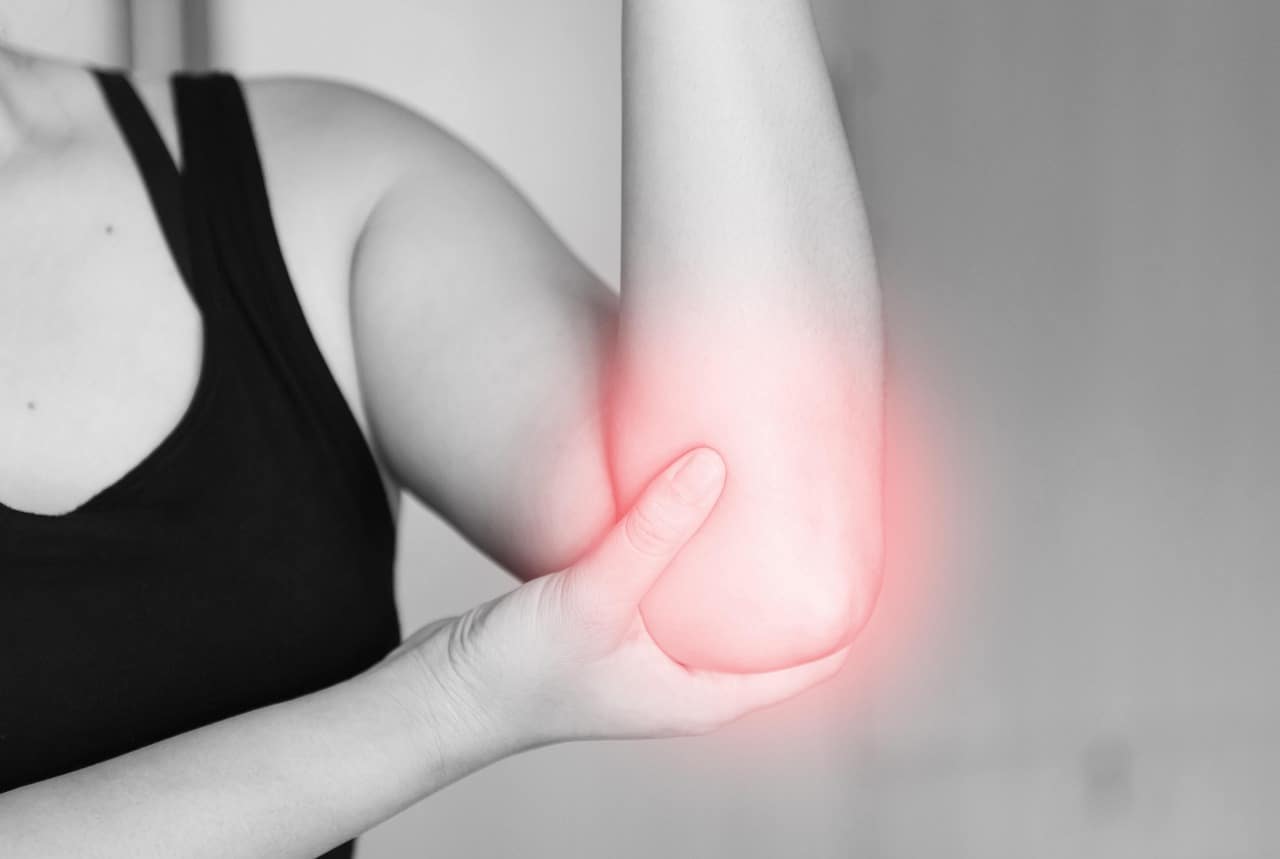
If you’ve been dealing with fatigue, joint pain, digestive issues, or general “off” feelings, it makes sense to wonder whether alcohol could be part of the problem. A lot of people search this question when they’re trying to connect the dots between their drinking habits and their health. Sometimes the concern is long-term. Other times, it’s more immediate, like noticing you feel worse the day after drinking than you used to.
Alcohol can cause inflammation in the body, especially when it’s consumed frequently or in larger amounts. The effects are not always obvious, and they do not look the same for everyone. But inflammation is one of the clearest ways alcohol can quietly stress the body over time.
In this post, we’ll break down what inflammation is, how alcohol triggers it, and what you can do if you’re worried your drinking is affecting your health.
What Is Inflammation, and Why Does It Matter?
Inflammation is one of those health terms that gets used a lot, but it can feel vague until you understand what it actually looks like in the body. In simple terms, inflammation is part of your immune system’s response to stress, injury, or illness. It’s not always a bad thing. In fact, it’s one of the ways your body protects itself.
The problem is when inflammation becomes chronic. That’s when it can start contributing to long-term health issues, even if you don’t feel “sick” in an obvious way.
Acute vs. Chronic Inflammation
Acute inflammation is short-term. It’s what happens when your body is doing exactly what it’s supposed to do. If you get a cut, catch a virus, or sprain your ankle, your immune system responds by sending blood flow and immune cells to the area. This type of inflammation usually resolves once healing happens.
Chronic inflammation is different. It’s low-grade inflammation that stays active for weeks, months, or years. Instead of helping you recover from a specific issue, it becomes a background stress on the body. Over time, chronic inflammation has been linked to a wide range of health conditions, including heart disease, diabetes, liver disease, and autoimmune disorders.
This is where alcohol comes into the conversation. Drinking can contribute to chronic inflammation, especially if it’s frequent, heavy, or used as a coping tool.
Common Signs of Chronic Inflammation
Chronic inflammation doesn’t always show up as a single, obvious symptom. Many people live with it for a long time without realizing what’s happening. The signs are often the kind of things you might chalk up to aging, stress, or a busy schedule.
Some common symptoms include:
- Persistent fatigue or low energy
- Joint pain, stiffness, or soreness
- Frequent digestive discomfort (bloating, nausea, stomach pain)
- Headaches or feeling “foggy” mentally
- Skin flare-ups like redness, acne, or eczema
- Getting sick more often than usual
- Tingling, numbness, or burning pain in the hands or feet (sometimes linked to alcohol-related nerve damage, called alcohol neuropathy)
These symptoms can have many causes, and alcohol is not always the main one. But if you notice they get worse after drinking, or they’ve slowly increased over time while your alcohol intake has stayed consistent, it’s worth paying attention.
How Alcohol Triggers Inflammation in the Body
Alcohol affects multiple systems in the body at the same time, which is one reason it can contribute to inflammation in more than one way. Even if you do not drink every day, frequent drinking can still create a pattern of stress that the immune system responds to.
To understand why, it helps to look at what your body has to do to process alcohol and what happens during that process.
What Happens When Your Body Breaks Down Alcohol
When you drink, your body treats alcohol as a toxin. The liver does most of the work to break it down so it can be removed from the body. During this process, alcohol is converted into a substance called acetaldehyde.
Acetaldehyde is toxic. It can damage cells and irritate tissues, which can trigger an immune response. This is one of the reasons alcohol can contribute to inflammation, especially in the liver and digestive system.
Over time, repeated exposure can make it harder for the body to fully recover between drinking episodes. This is especially true if someone drinks heavily, binge drinks, or drinks several times per week.
Effects on the Gut and Immune System
Alcohol also affects the gut, which plays a major role in immune function. A large portion of your immune system is connected to the digestive tract, and the gut lining acts as a barrier that helps keep harmful substances out of the bloodstream.
Alcohol can weaken this barrier. When that happens, the gut becomes more permeable, which is sometimes called “leaky gut.” This can allow inflammatory substances to enter the bloodstream more easily, which may contribute to systemic inflammation throughout the body.
This gut-related inflammation is one reason alcohol can worsen digestive symptoms and may also contribute to symptoms that seem unrelated, like fatigue, brain fog, and skin issues. In severe cases of long-term heavy drinking, vitamin B1 (thiamine) deficiency can lead to a serious brain condition sometimes called “wet brain.”
The Dose-Dependent Effect: Does Amount Matter?
The inflammatory effects of alcohol are dose-dependent, which means the amount and frequency of drinking matter.
Occasional light drinking may not create noticeable inflammation for some people. But frequent drinking, binge drinking, or heavy alcohol use is much more likely to trigger inflammatory processes and keep them active.
This is also why some people feel fine with one drink but feel significantly worse after two or three. As the body processes more alcohol, it produces more toxic by-products, and the immune system has to work harder to manage the stress.
If you’re trying to figure out whether alcohol is affecting your health, it’s helpful to look at patterns. How often are you drinking? How much? And how does your body feel in the days afterward?
Can Alcohol Worsen Existing Health Conditions?
For many people, this question becomes more urgent when there’s already a health concern in the picture. If you’ve been diagnosed with an inflammatory condition, or you’ve been managing symptoms for years, it’s natural to wonder whether alcohol is quietly making things worse.
Because alcohol can trigger inflammatory responses, it can also aggravate conditions that are already tied to inflammation. The impact varies from person to person, but the connection is strong enough that many doctors recommend limiting or avoiding alcohol when certain conditions are present.
Autoimmune and Joint Conditions
Autoimmune disorders and inflammatory joint conditions, such as rheumatoid arthritis, already involve an overactive immune response. When alcohol adds more inflammatory stress to the system, it can increase discomfort or trigger flare-ups in some people.
You might notice:
- Increased joint stiffness after drinking
- More swelling or soreness the next day
- Longer recovery time after a flare
Not everyone experiences these effects, but if symptoms consistently worsen after alcohol use, that pattern is important to recognize.
Digestive and Liver Health
The liver is directly responsible for processing alcohol, which makes it especially vulnerable. Over time, regular drinking can lead to fatty liver, alcoholic hepatitis, and eventually more serious liver damage if it continues unchecked.
Alcohol can also irritate the stomach lining and disrupt digestion. People with acid reflux, gastritis, or inflammatory bowel conditions often find that alcohol increases discomfort.
Signs that alcohol may be affecting digestive or liver health include:
- Persistent nausea
- Upper abdominal pain
- Bloating that worsens after drinking
- Unexplained changes in appetite
Even moderate drinking can strain the liver if it’s already compromised. While inflammation is high during active use, the healing process during sobriety can also cause temporary bloating and digestive discomfort as the gut repairs itself.
Cardiovascular and Metabolic Health
Chronic inflammation plays a role in heart disease, high blood pressure, and insulin resistance. While some messaging around alcohol has historically suggested possible heart benefits in small amounts, the overall picture is more complex.
Frequent or heavy alcohol use can:
- Increase blood pressure
- Raise triglyceride levels
- Contribute to weight gain
- Worsen blood sugar control
When inflammation remains elevated over time, it increases stress on the cardiovascular system. For people already at risk, alcohol can quietly compound that risk.
Is Inflammation From Alcohol Reversible?
This is one of the most hopeful parts of the conversation. In many cases, inflammation linked to alcohol use can improve when drinking is reduced or stopped. The body has a remarkable ability to repair itself when given the chance.
The key factors are how long and how heavily someone has been drinking, as well as their overall health.
What Happens When You Reduce or Stop Drinking
When alcohol intake decreases, the immune system is no longer responding to repeated exposure to toxic by-products. Over time, inflammatory markers in the blood can drop. Many people notice changes such as:
- Improved energy
- Better sleep
- Clearer thinking
- Reduced digestive discomfort
- Less joint stiffness
The liver can also begin to heal, especially in the earlier stages of alcohol-related damage. Fatty liver disease, for example, is often reversible with sustained sobriety.
How Long Does It Take?
There is no universal timeline. Some people notice improvements within a few weeks of reducing alcohol. Others may need several months before they feel consistent changes.
If someone has been drinking heavily or daily, it’s important not to stop abruptly without medical guidance. Alcohol withdrawal can be overwhelming, even dangerous in some cases, if you aren’t prepared; a healthcare provider can help create a safe medical detox plan to manage symptoms.
Even small reductions in alcohol use can make a measurable difference over time. The earlier the change happens, the greater the potential for recovery.
Signs Alcohol May Be Affecting Your Body
Sometimes the question is not just whether alcohol causes inflammation, but whether it is affecting you personally. The signs are not always dramatic. In fact, they are often subtle at first.
Paying attention to patterns can help you decide whether it’s time to make adjustments or seek support.
Physical Clues to Watch For
Some signs that alcohol may be contributing to inflammation or broader health stress include:
- Feeling unusually fatigued after drinking
- Frequent headaches or hangovers that feel more intense than before
- Worsening joint pain the day after alcohol use
- Digestive upset that seems tied to drinking
- Trouble sleeping, even after a small amount
These symptoms do not automatically mean there is serious damage. But they are signals that your body may be under strain.
When to Talk to a Medical Professional
It’s wise to speak with a healthcare provider if you notice:
- Ongoing symptoms that do not improve
- Concerns about liver health
- Difficulty cutting back despite wanting to
- Increasing tolerance, meaning you need more alcohol to feel the same effect
A medical professional can run basic tests to evaluate liver function and inflammation markers. More importantly, they can help you decide what level of change makes sense for your situation.
If alcohol feels harder to manage than it used to, that’s also important information. Inflammation is only one piece of the puzzle. For some people, the deeper issue is that drinking has become more frequent, more necessary, or more difficult to control.
Practical Steps to Reduce Alcohol-Related Inflammation
If you’re starting to connect your symptoms with your drinking habits, the next question is usually, “What can I do about it?” The good news is that small, consistent changes can make a meaningful difference over time.
You don’t have to overhaul your entire life overnight. The goal is to reduce stress on your body and give it room to recover.
Reduce Frequency and Quantity
The most direct way to lower alcohol-related inflammation is to reduce how often and how much you drink. That might mean:
- Setting a weekly limit and sticking to it
- Avoiding benders and binge drinking
- Spacing out drinking days instead of having several in a row
- Choosing alcohol-free days each week
Tracking your intake honestly can be eye-opening. Many people underestimate how much they drink until they write it down. Awareness alone can help guide healthier decisions.
Support Overall Anti-Inflammatory Health
Alcohol is only one piece of the inflammation puzzle. Supporting your body in other ways can also lower overall stress on your system.
Helpful habits include:
- Getting consistent, quality sleep
- Eating balanced meals with whole foods
- Staying hydrated
- Moving your body regularly
- Managing stress through healthy coping tools
These steps are not meant to “cancel out” heavy drinking. But they can support recovery and reduce inflammation as you make changes to your alcohol use.
Seek Support If Cutting Back Is Difficult
If you’ve tried to reduce your drinking and found it harder than expected, that’s important information. Difficulty cutting back can signal that alcohol has moved beyond a casual habit.
Support does not always mean residential treatment. It can include:
- Talking to your primary care provider
- Attending outpatient counseling
- Joining a support group
- Participating in a structured treatment program if needed
The earlier you address problematic drinking, the easier it is to prevent long-term complications, including chronic inflammation and organ damage.
When Drinking Becomes More Than a Lifestyle Question
For some people, researching inflammation is part of a larger realization. What starts as a health question can turn into a deeper concern about control, dependence, or long-term consequences.
It’s not always obvious when drinking shifts from social or stress-related use into something more serious.
Signs Alcohol Use May Be Escalating
Patterns that may signal a growing problem include:
- Needing more alcohol to feel relaxed or unwind
- Drinking more often than you intended
- Unsuccessful attempts to cut back
- Using alcohol to cope with stress, anxiety, or sleep problems
- Continuing to drink despite health concerns
When alcohol begins affecting your physical health, relationships, or mental well-being, it’s worth taking a closer look.
Why Early Help Matters
Chronic inflammation is one warning sign. But alcohol misuse can also increase the risk of liver disease, heart problems, cognitive changes, and mental health challenges over time.
Seeking help early can:
- Reduce the risk of permanent organ damage
- Improve energy and mental clarity
- Strengthen emotional health
- Prevent the progression to more severe alcohol use disorder
Treatment does not have to be extreme to be effective. Many people benefit from structured outpatient care or short-term programs that help them reset and build healthier habits.
Taking the Next Step Toward Better Health
If you’re asking whether alcohol is causing inflammation in your body, you’re already paying attention to your health. That’s a strong first step. Inflammation is not a personal failure. It’s your body’s signal that something may need adjustment.
For some people, that adjustment is reducing alcohol. For others, it means addressing a deeper pattern that feels hard to change alone. Either way, support is available.
At Northpoint Recovery, we help people understand how alcohol affects both physical and mental health. If you’re concerned about your drinking or the health effects you’re noticing, our team can talk through your situation and help you explore your options in a confidential, judgment-free way.
Contact us today to learn more about our alcohol abuse treatment programs.