

Methamphetamine, commonly called meth, is widely known as a highly addictive illegal drug. However, doctors can sometimes prescribe a form of meth called Desoxyn. The prescription drug works similarly to the illicit substance, but the production and prescription help to regulate how people use it. Desoxyn, like other prescription drugs, can be highly addictive. Some people may not be able to break the addiction cycle without a professional prescription drug addiction treatment program.
If you or a loved one struggles with Desoxyn abuse, don’t wait to get help. The team at Northpoint Recovery knows how critical it is to break the cycle of addiction with a personalized treatment plan. Get started today by calling 888.296.8976.
What Is Desoxyn?

Desoxyn is a central nervous system stimulant that doctors sometimes prescribe to help treat attention deficit hyperactivity disorder (ADHD), sleep disorders, or obesity.
Like other forms of methamphetamine, Desoxyn is highly addictive. Even if they use the drug as prescribed, users typically experience intense cravings for the drug and develop a chemical dependence that can be difficult to break. Many people become dependent on Desoxyn without realizing that their use has become harmful.
Desoxyn for ADHD

ADHD is a behavioral disorder that can make it hard for children and adults to focus or interact with other people. Adult ADHD symptoms include:
- Difficulty concentrating for long periods
- Forgetfulness that may affect work and everyday life functions
- Feeling restless or impulsive
Desoxyn works by increasing the levels of dopamine and norepinephrine in the brain. These chemicals are associated with focus and attention.
While Desoxyn may help some people with ADHD, there is a high potential for abuse. The drug can be habit-forming, and people who use it for non-medical reasons often take larger doses than prescribed or take it more often than directed.
Desoxyn Side Effects

Even though it is a prescription medication, Desoxyn use can cause several side effects, including:
- Anxiety
- Mood swings
- Restlessness
- Insomnia
- Headaches
- Weight loss
- Loss of appetite
- Dizziness
- Nausea or vomiting
- High blood pressure
- Fast heart rate
- Seizures or strokes
Although Desoxyn can have severe side effects, it can have serious side effects and a high potential for abuse. If you or someone you love is struggling with Desoxyn addiction, finding a prescription drug addiction treatment program could help break the cycle of addiction.
Risks of Desoxyn Abuse
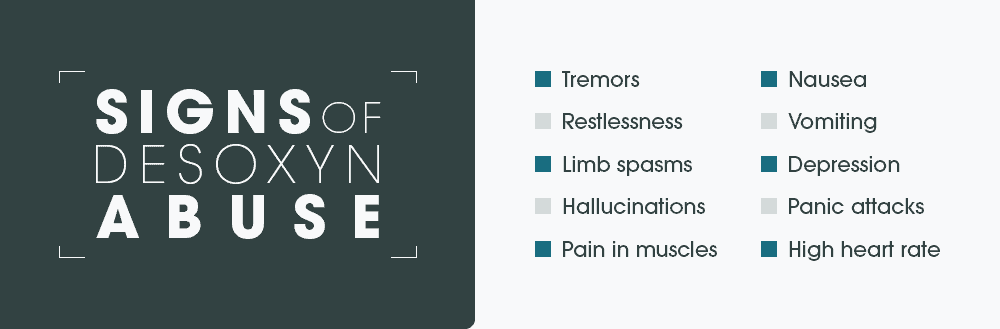
People who abuse Desoxyn are at risk for several serious health problems, including:
- Brain damage
- Heart damage
- Liver damage
- Kidney damage
- Psychotic episodes
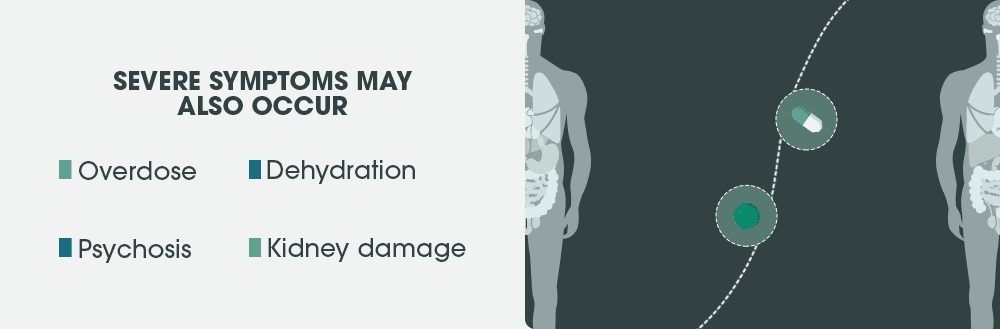
When someone abuses Desoxyn, they can quickly slip into the cycle of addiction. Addiction can easily cause someone’s life to unravel, impairing their ability to hold a job, manage their finances, or be in a healthy relationship.
The Meth High
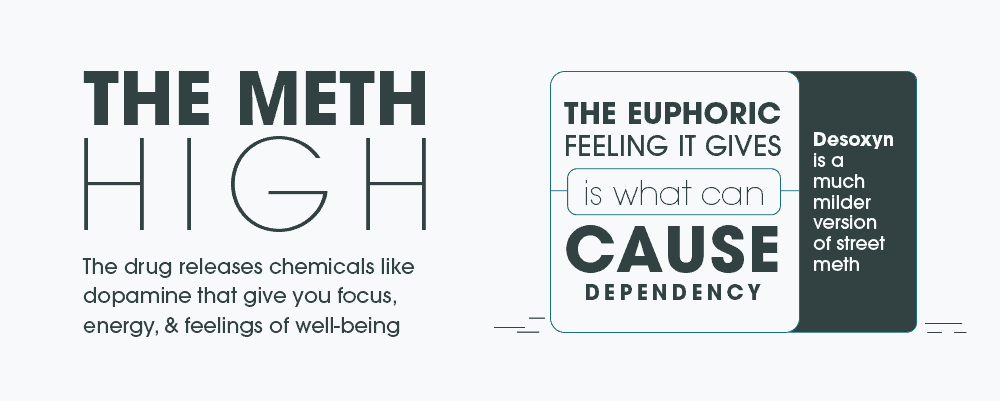
People may begin to abuse Desoxyn because it gives a fast, intense high when taken in large and frequent doses. This high, also called the meth high, can cause euphoric feelings and provide immense energy. However, this high is short-lived and can quickly lead to a crash that leaves the person feeling depressed, anxious, and tired.
To avoid this crash or keep the high going, people may take larger doses of Desoxyn or take it more often than prescribed. They will need larger and larger amounts to get the same effect as they develop a tolerance to the drug.
Signs a Loved One May Be Abusing Desoxyn
Desoxyn misuse can be hard to spot at first because many signs appear slowly. Families often notice small changes before the person does. Paying attention to patterns in mood, sleep, behavior, and daily habits can help you understand what’s going on and when to step in with support.
Changes in Mood
Someone misusing Desoxyn may start showing sudden mood swings. They may seem more anxious, restless, or irritable than usual. Some people become unusually confident or talkative, while others seem tense or easily upset. These mood shifts often don’t match what’s happening around them.
Sleep Problems
Desoxyn is a strong stimulant, so it can disrupt sleep. A person may stay awake for long periods, sleep very little, or seem unable to rest even when they’re tired. They may also have trouble waking up or crash for long naps after staying up too long.
Shifts in Appetite and Weight
It’s common for someone abusing Desoxyn to lose their appetite. They may skip meals, forget to eat, or show a sudden drop in weight. These changes can happen quickly and may not have another clear cause.
Unusual Energy Levels
Some people show bursts of energy that seem out of character. They may talk fast, move quickly, or jump from task to task. They might also seem tense or unable to sit still. When the drug wears off, they may crash and look tired, drained, or sad.
Problems at Work or School
Misusing Desoxyn can affect focus, motivation, and follow-through. A person may miss deadlines, lose interest in activities they used to enjoy, or struggle to keep up with responsibilities. They might also become forgetful or disorganized.
Secretive or Concerning Behavior
You may notice them being protective of their medication, hiding pills, or making excuses about lost prescriptions. They might isolate themselves, avoid family conversations, or become defensive when asked simple questions. These changes can be signs they are trying to hide their use.
Running Out of Medication Early
A clear red flag is using a prescription faster than expected. They may ask for early refills, visit multiple doctors, or claim they misplaced their pills. Consistently running out early often means the drug is being used in a risky way.
How Can Families Support a Loved One Who Might Be Misusing Desoxyn?
Supporting someone who may be misusing Desoxyn can feel stressful, but families play an important role. Small, steady steps can make a real difference. The goal is to stay calm, stay aware, and guide the person toward help without adding pressure or judgment.
Pay Attention to Changes
Shifts in mood, sleep, energy, or behavior can be early signs that something is wrong. A person might become more irritable, stay up very late, lose their appetite, or seem anxious for no clear reason. Noticing these changes early can help families step in before the problem grows.
Start a Calm and Honest Conversation
Talking about drug use can feel intimidating, but a gentle approach works best. Pick a quiet time with no distractions. Use simple statements like “I’ve noticed you seem stressed” or “I’m worried about how you’re feeling lately.” The goal is to open the door, not force the person to admit anything.
Set Clear and Healthy Boundaries
Boundaries help keep the family safe and stable. This may mean not giving money, not covering for missed work or school, or choosing not to argue when the person is under the influence. Clear boundaries show care while also protecting the family’s peace.
Offer Encouragement Without Blame
People who misuse stimulants often feel ashamed or scared. Encouraging them with a calm tone can lower their defenses. Let them know you care and want to support them. Avoid blaming, lecturing, or bringing up past mistakes, since that usually makes the conversation harder.
Suggest a Professional Evaluation
A professional assessment can help the person understand what is happening and what support they may need. Suggesting this step can guide them toward treatment without making them feel pressured. If they agree, offer to help make the appointment or go with them for support.
FAQs About Desoxyn Abuse
1. Can someone become addicted to Desoxyn even when taking it as prescribed?
Yes. Someone can become dependent on Desoxyn even when they take it the way their doctor instructed. Desoxyn affects the parts of the brain that control focus and energy. After a while, the brain may expect the drug to be there and struggle without it. This can lead to cravings, trouble stopping, or feeling uneasy between doses. It can happen slowly, even when the person is using the medication responsibly.
2. How is Desoxyn different from other ADHD medications like Adderall or Ritalin?
Desoxyn is a prescription form of methamphetamine, which makes it stronger than most ADHD medications. Adderall and Ritalin also treat ADHD, but they are less intense and are usually safer for long-term use. Because Desoxyn has a much higher risk for dependence, doctors typically turn to it only when other medications do not help enough.
3. What early signs suggest Desoxyn dependence is starting?
Some of the first signs can be subtle. A person might run out of their prescription early or think about their doses more than before. They may feel like they cannot focus or function without it. They might notice they want to take more than prescribed. Feeling anxious, tired, or irritable when a dose is missed can also be an early warning sign.
4. Why is Desoxyn rarely prescribed today?
Desoxyn is not used often because safer ADHD medications are available. Its connection to methamphetamine raises concerns about misuse and dependence. Doctors also follow strict rules when prescribing it, which limits how often it is given. Most people respond well to other treatments, so Desoxyn is usually a last option.
5. Is Desoxyn abuse more dangerous than other stimulant misuse?
Desoxyn misuse can be more dangerous because of how strong the drug is. It can lead to severe mood changes, heart problems, and a fast rise in tolerance. This makes it easier for someone to lose control of their use. It also affects the brain in ways that can increase the risk of paranoia and other serious mental health symptoms.
6. What does a Desoxyn crash feel like, and how is it different from a normal stimulant comedown?
A Desoxyn crash can feel very intense. Someone may feel drained, sad, anxious, or unable to think clearly. They might also feel strong cravings to take more. The crash from Desoxyn is often sharper and harder to manage than the comedown from milder stimulants because the drug has a stronger effect on the brain.
7. Can Desoxyn be safely stopped without medical support?
Stopping on your own can be difficult and uncomfortable. Many people feel tired, depressed, or very irritable when they stop suddenly. Some also struggle with strong cravings. A doctor can help create a plan that reduces these symptoms and lowers the chance of returning to use. Support during this process often makes the experience safer and easier.
8. What should someone expect during Desoxyn addiction treatment?
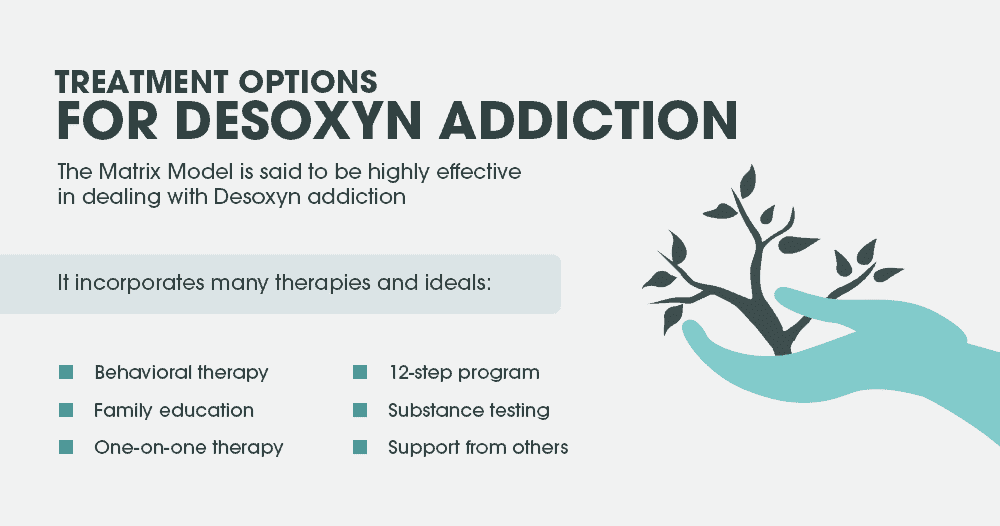
Treatment often begins with medical support to help the person stabilize and manage withdrawal. After that, therapy helps them understand their triggers and build new coping skills. Group support, family involvement, and aftercare planning are also common parts of recovery. The goal is to help the person regain control of their life and stay on a healthier path.
Desoxyn Addiction Treatment at Northpoint Recovery
If you or someone you care about is addicted to Desoxyn, professional treatment can help. At Northpoint Recovery, we offer a wide range of evidence-based therapies and services to meet your unique needs.
Some of the programs and services we offer include:
- Medical detox
- Individual therapy
- Group therapy
- Family therapy
To learn more about our Desoxyn addiction treatment programs, contact us today. We are here to help you or your loved one start the journey toward recovery and a healthier, happier life.
Full Infographic: