


If you’ve found yourself researching Benzedrine addiction, there’s a good chance you’re trying to make sense of something that feels confusing or concerning. Maybe you’re worried about your own stimulant use. Maybe you’re watching someone you love change in ways you can’t ignore. Either way, you’re asking an important question.
Benzedrine is no longer widely used as a prescription drug, but it belongs to the amphetamine family. That matters because amphetamines are still common today, both in prescription medications and in illicit stimulant use.
This post will walk through what Benzedrine was, why it can be addictive, and what prescription stimulant addiction can look like in real life. Most importantly, it will help you understand what to do next if you’re worried.
What Is Benzedrine?
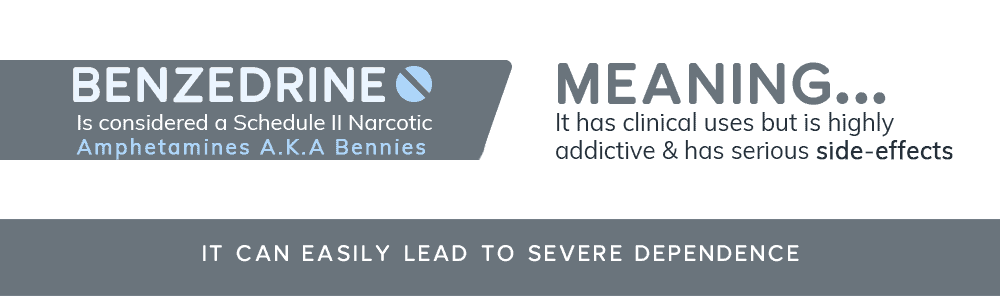
Benzedrine is often described as a “drug from the past,” but it’s not just a historical curiosity. It was one of the earliest widely used amphetamines in the United States, and it played a major role in shaping how we understand stimulant misuse today.
Because the name still shows up in culture, and because it’s closely connected to modern amphetamines, many people still search for it when they’re trying to understand stimulant addiction.
A Quick History of Benzedrine
Benzedrine became popular in the mid-1900s and was originally marketed as a medication that could help with things like nasal congestion, fatigue, and low mood. Over time, it was also used for appetite suppression and energy. It was widely available, and for a period, it was treated as a relatively normal “pick-me-up.”
The problem was that Benzedrine is an amphetamine. And amphetamines can create a strong sense of energy, confidence, motivation, and mental sharpness. For some people, that effect felt life-changing. It also made the drug easy to misuse.
As more people began using it in higher doses or for non-medical reasons, addiction and mental health complications became more common. That history is one reason stimulant medications are now more tightly regulated than they were decades ago.
Is Benzedrine Still Available Today?
Benzedrine is not commonly prescribed today in the way it once was. It has largely been replaced by other medications and tighter controls around amphetamines.
However, that does not mean the risk disappeared. The same drug class still exists, and stimulant misuse is still a major issue. Many people searching “Benzedrine addiction” are really trying to understand:
- Amphetamine addiction in general
- Prescription stimulant misuse
- The risks of “uppers” or speed
- Why stimulants can feel so hard to quit
So while Benzedrine itself may not be a modern prescription, the addiction patterns connected to it are still very real.
Why Benzedrine Is Still Relevant
Benzedrine matters today because it helps explain how stimulant addiction develops. It also highlights something important: stimulant addiction does not always start in obvious ways.
Many people do not begin using stimulants to “get high.” They start because they want energy, focus, motivation, appetite suppression, or relief from depression. Over time, the brain starts associating the stimulant with functioning, confidence, or emotional stability. That connection can become powerful, and it can make stopping feel overwhelming.
Understanding this context can help you recognize addiction earlier, and it can help you respond with more clarity and less shame.
Can Benzedrine Be Addictive?
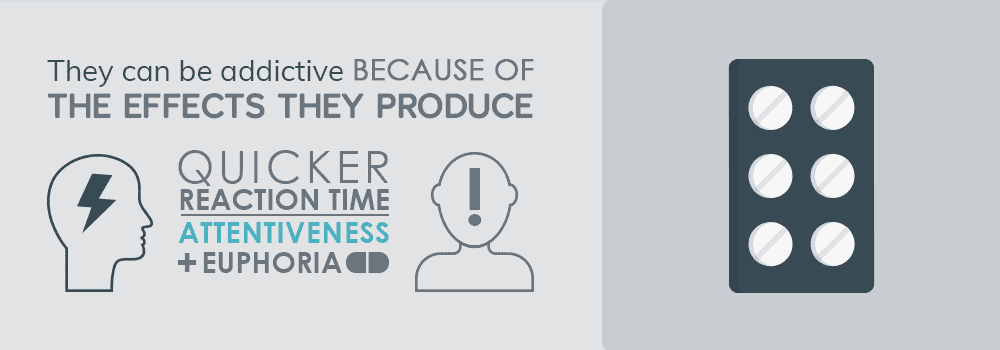
Benzedrine can be addictive, and so can other amphetamines. Stimulants can create both psychological dependence and physical dependence over time. For many people, the addiction develops gradually.
It often starts as occasional use, then becomes more frequent, then becomes something the person feels like they need to get through the day. The reason stimulants are so addictive is not that someone is weak or reckless; it’s because of how these drugs affect the brain and body.
How Amphetamines Affect the Brain
Amphetamines increase levels of dopamine and norepinephrine in the brain. Dopamine is strongly tied to reward and motivation. Norepinephrine is tied to alertness, energy, and focus.
That combination can create effects like:
- Increased energy and drive
- Improved focus and productivity
- Reduced need for sleep
- Elevated mood and confidence
- Decreased appetite
For someone who feels tired, depressed, overwhelmed, or emotionally numb, these effects can feel like relief. The brain quickly learns to associate the stimulant with feeling “normal” or capable. That is one reason stimulant addiction can develop so quickly.
Tolerance and Dependence
One of the clearest signs of addiction risk is tolerance. This happens when the body and brain adapt to the drug, and the original dose no longer creates the same effect. A person may start taking more to get the same energy, focus, or mood boost.
Dependence does not always mean addiction, but it often sets the stage for it. Addiction tends to show up when use continues despite negative consequences, and when stopping feels difficult even when the person wants to.
Why Stimulants Can Feel Hard to Stop
Stopping a stimulant like Benzedrine often feels harder than people expect. Not because withdrawal is usually medically dangerous, but because the emotional crash can be intense.
When someone stops using, they may experience:
- Extreme fatigue
- Low mood or depression
- Irritability
- Strong cravings
- A sense of emptiness or lack of motivation
This crash can make daily life feel unmanageable, especially if the person has been using stimulants to keep up with work, school, parenting, or mental health struggles. Without support, many people relapse simply to feel functional again.
This is also why treatment for stimulant addiction often needs to address more than substance use alone. The underlying reasons for use matter, and recovery is more sustainable when those root causes are treated too.
Signs of Benzedrine (Stimulant) Addiction
It can be hard to tell when stimulant use has crossed the line into addiction. Some people are prescribed amphetamines for legitimate medical reasons. Others start using stimulants recreationally or to boost performance. In both cases, the shift from use to misuse can happen gradually.
If you’re worried about yourself or someone else, it helps to look at patterns instead of isolated incidents. Addiction is less about one bad decision and more about repeated behaviors that begin to disrupt daily life.
Behavioral Signs
Behavioral changes are often the first red flags. These shifts may seem small at first, but over time they become harder to ignore.
Common behavioral signs include:
- Taking more than prescribed or intended
- Running out of medication early
- Using stimulants without a prescription
- Hiding use or lying about how much is being taken
- Staying up for long periods without sleep
- Neglecting responsibilities at work, school, or home
- Increased risk-taking or impulsive behavior
You might also notice that conversations revolve more around productivity, performance, or needing the drug to “keep up.” When someone feels they cannot function without it, that’s important to take seriously.
Physical Signs
Stimulants place strain on the body, especially when used frequently or in higher doses. Physical symptoms can become more noticeable over time.
These may include:
- Noticeable weight loss
- Reduced appetite
- Chronic insomnia
- Rapid heart rate
- Sweating or tremors
- Jaw clenching or teeth grinding
- Frequent headaches
Some people also appear wired or overly energized at times, followed by deep exhaustion. These physical ups and downs can take a toll on overall health.
Emotional and Mental Health Signs
Stimulants strongly affect mood and mental health. While they may temporarily increase confidence or focus, long-term misuse can destabilize emotions.
Warning signs may include:
- Irritability or anger outbursts
- Heightened anxiety
- Mood swings
- Suspiciousness or paranoia
- Depression during comedowns
- Emotional numbness
In more severe cases, heavy stimulant use can lead to hallucinations or stimulant-induced psychosis. If someone seems detached from reality, fearful without cause, or extremely agitated, it may require immediate medical attention.
Short-Term and Long-Term Effects of Amphetamine Misuse
Understanding the risks can help clarify why stimulant addiction deserves attention. While some people assume stimulants are safer than other substances because they increase focus or productivity, misuse can carry serious consequences.
The effects are often cumulative. What starts as occasional strain on the body can develop into more lasting damage if use continues.
Short-Term Risks
In the short term, high doses of amphetamines can lead to:
- Panic attacks
- Extreme agitation
- Overheating and dehydration
- Chest pain or irregular heartbeat
- Impaired judgment
These risks increase during binge use, when someone takes repeated doses over a short period. Lack of sleep combined with high stimulant intake can intensify both physical and psychological symptoms.
Long-Term Health Risks
Long-term stimulant misuse can affect multiple systems in the body. Over time, it may contribute to:
- Cardiovascular problems
- Persistent sleep disruption
- Memory and concentration issues
- Ongoing anxiety or depression
- Nutritional deficiencies
Because stimulants suppress appetite and disturb sleep, long-term users often experience physical depletion. The body has difficulty recovering when it is constantly overstimulated.
Stimulant-Induced Psychosis
One of the more serious risks of heavy stimulant use is psychosis. This can include paranoia, hallucinations, or intense suspiciousness. In some cases, it resolves once the drug leaves the system. In others, it can take longer to stabilize.
If someone becomes disoriented, fearful without clear reason, or disconnected from reality, medical care is important. These symptoms should not be dismissed as simple stress or lack of sleep.
Benzedrine Withdrawal: What to Expect
Withdrawal from stimulants is often described as a crash. While it is usually not medically dangerous in the same way alcohol or benzodiazepine withdrawal can be, it can feel overwhelming. This is one reason many people struggle to quit without support.
When the stimulant is removed, the brain must adjust to functioning without the drug and the artificially elevated dopamine and norepinephrine it provides.
Common Withdrawal Symptoms
Stimulant withdrawal may include:
- Extreme fatigue
- Sleeping much more than usual
- Intense depression or hopelessness
- Irritability
- Increased appetite
- Strong cravings
Some people describe feeling empty, unmotivated, or emotionally flat. Tasks that once felt manageable may suddenly feel exhausting.
How Long Does Withdrawal Last?
The initial crash often begins within a day or two of stopping use and may last several days. Emotional symptoms, such as depression or low motivation, can persist longer.
Recovery timelines vary depending on how long and how heavily the stimulant was used. The brain needs time to rebalance its natural chemistry.
Is Stimulant Withdrawal Dangerous?
While stimulant withdrawal is not typically life-threatening, it can carry mental health risks. Severe depression and suicidal thoughts are possible, especially in people who were already struggling emotionally.
If someone is experiencing intense hopelessness, thoughts of self-harm, or severe mood instability, professional support is critical. Structured treatment can provide monitoring, therapy, and support during this vulnerable period.
Understanding withdrawal helps explain why quitting can feel so difficult. It’s not about lack of willpower. The brain and body are adjusting, and that adjustment takes time and support.
Why People Get Hooked on Benzedrine and Other Stimulants
Stimulant addiction rarely begins with the goal of losing control. Most people start using for a reason that makes sense to them at the time. They want to feel better, perform better, or cope better. Over time, the line between “helpful” and “harmful” can blur.
Understanding why someone turns to stimulants can make it easier to approach the situation with clarity instead of judgment.
Using Stimulants for Energy and Productivity
Many people first use amphetamines to keep up with demanding schedules. Work deadlines, school pressure, long shifts, parenting responsibilities, or competitive environments can all create a drive to stay alert and focused.
Stimulants can temporarily increase productivity and reduce the need for sleep. For someone who feels overwhelmed or burned out, that boost can feel like a solution. The danger is that the body still needs rest and recovery. Over time, relying on a stimulant to push through exhaustion can create a cycle of depletion and dependence.
Using Stimulants for Weight Loss
Amphetamines suppress appetite, which historically made them attractive for weight loss. Some people start using stimulants to control eating or change their body shape.
While weight loss may occur initially, the physical strain on the body can be significant. Nutritional deficiencies, mood instability, and metabolic changes often follow. What starts as a desire to feel more confident can shift into a pattern of use that feels hard to stop.
Using Stimulants to Cope Emotionally
For others, stimulants are less about performance and more about relief. Someone struggling with depression may feel more motivated and hopeful while using. Someone with anxiety may feel more capable in social or work settings.
The problem is that the underlying emotional struggle does not disappear. When the stimulant wears off, the original symptoms often return more intensely. This can lead to repeated use simply to avoid the crash.
When addiction develops, it is often intertwined with untreated mental health concerns. Addressing those root issues is a critical part of recovery.
How to Help Someone You Think Is Addicted
If you are reading this because you are worried about someone else, you may already feel exhausted or unsure what to do next. Stimulant addiction can cause noticeable personality changes. You may see shifts in mood, sleep, appetite, and behavior that feel out of character.
Approaching the situation carefully can make a real difference.
Signs It’s Time to Take It Seriously
It may be time to seek professional help if you notice:
- Rapid weight loss
- Significant sleep disruption
- Paranoia, aggression, or intense mood swings
- Repeated financial problems related to substance use
- Legal issues or risky behavior
- Isolation from family and longtime friends
Trust your instincts — if something feels off, it’s worth checking on.
How to Talk to Them Without Making It Worse
Conversations about addiction can become defensive quickly. Try to focus on specific behaviors rather than labels. For example, instead of saying, “You’re addicted,” you might say, “I’ve noticed you haven’t been sleeping and seem really on edge. I’m worried about you.”
Helpful approaches include:
- Choosing a calm time to talk
- Expressing concern rather than blame
- Listening without interrupting
- Being clear about your boundaries
You cannot force someone into recovery, but you can express care and encourage them to explore support.
What Not to Do
It is common to want to protect someone from consequences, especially if you love them. However, covering up problems or making excuses can unintentionally allow the behavior to continue.
Try to avoid:
- Threatening consequences you cannot follow through on
- Arguing while emotions are high
- Monitoring every move in an attempt to control use
- Taking full responsibility for their recovery
Support is important. So are healthy boundaries.
Treatment Options for Stimulant Addiction
Stimulant addiction is treatable. Recovery is possible, even if things feel chaotic right now. The right level of care depends on the severity of use, the person’s mental health history, and their support system.
A comprehensive approach often leads to the most stable results.
Do You Need Detox for Stimulants?
Unlike alcohol or certain sedatives, stimulant withdrawal is not usually medically dangerous. However, detox may still be recommended if someone has been using heavily or is experiencing severe depression, anxiety, or psychosis.
Medical supervision can provide safety, stabilization, and support during the crash period. It can also help identify any co-occurring mental health conditions.
Inpatient vs Outpatient Treatment
Inpatient treatment can be helpful when:
- Use is severe or long-standing
- There are safety concerns
- Mental health symptoms are intense
- The home environment makes recovery difficult
Outpatient programs may work well for people who:
- Have stable housing
- Have a supportive environment
- Are motivated to engage in treatment
- Do not require 24-hour supervision
An assessment with a treatment professional can help determine the safest and most effective path, whether that’s inpatient, outpatient, or both.
Therapy Approaches That Help
Evidence-based therapies are central to stimulant addiction treatment. These may include:
- Cognitive behavioral therapy to address thought patterns and triggers
- Motivational approaches to strengthen commitment to change
- Trauma-informed care when past experiences contribute to substance use
Recovery often involves building new coping skills, repairing relationships, and learning how to function without relying on a stimulant for energy or mood regulation.
Why Dual Diagnosis Matters
Many people who struggle with stimulant addiction also experience anxiety, depression, ADHD, or trauma-related symptoms. Treating only the substance use without addressing these underlying concerns increases the risk of relapse.
Dual diagnosis treatment focuses on both substance use and mental health at the same time. When both are addressed together, outcomes tend to be stronger and more sustainable.
If you or someone you care about is struggling with stimulant misuse, you do not have to navigate it alone. Professional support can provide clarity, structure, and a path forward.
Find Support for Benzedrine Addiction Today
If you’ve read this far, you may be feeling overwhelmed. Stimulant addiction can escalate quickly, and the changes it causes can feel alarming. The good news is that recovery is absolutely possible, even after heavy or long-term use.
Reaching out for help is not an overreaction. It’s a responsible step toward stability, health, and long-term recovery.
At Northpoint Recovery, we help individuals and families navigate stimulant addiction with compassion and clinical expertise. If you’re unsure what to do next, we’re here to answer your questions and talk through your situation confidentially.
Contact us today to learn more about our prescription drug treatment programs and how we can help you or a loved one on the road to long-term recovery.