


Alcohol withdrawal can feel intimidating, especially if you don’t know what to expect. When your body has adapted to regular or heavy drinking, stopping suddenly can trigger a rebound in the nervous system that leads to real, physical symptoms. That doesn’t mean something is “wrong” with you. It means your brain and body are recalibrating.
The good news is that withdrawal is temporary, and support can make it much more manageable. When you understand why symptoms happen and what’s considered normal versus urgent, it’s easier to take the right next step and get through the process safely.
This guide breaks down why withdrawal happens, what symptoms may show up, when medical help is needed, and how medical detox can support a safer, steadier start to recovery.
Recovering from alcoholism is not easy, and there will be many challenges along the way. But with the right support, it is possible. We can provide you with your options, but first, we should discuss alcohol withdrawal in more detail.
What is Alcohol Withdrawal?
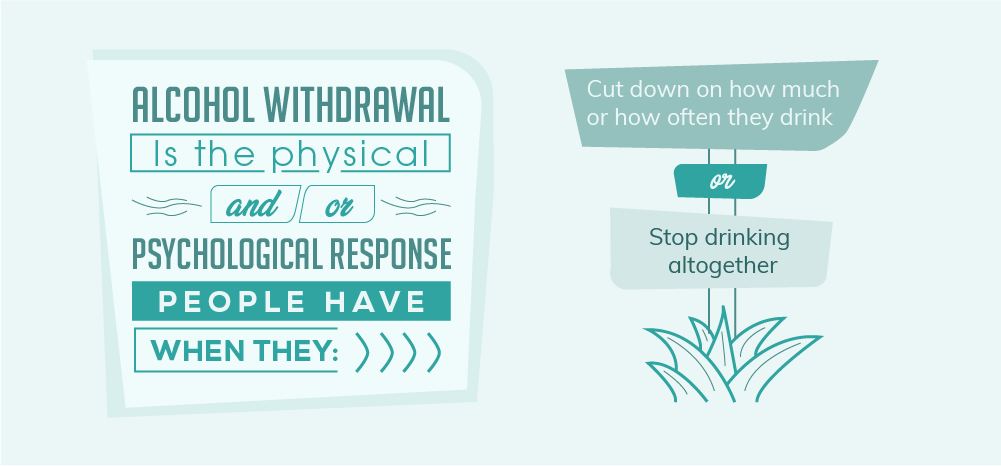
The term alcohol withdrawal refers to the physical and/or psychological response people have when they do one of two things – either cut down on how much or how often they drink, or stop drinking altogether. It happens for people who have been drinking for long periods of time, but everyone is different. For some, it can happen if they have been drinking regularly for weeks. For others, it might not happen until they have been drinking for a few months.
Who Is Most Likely to Experience Withdrawal Symptoms?
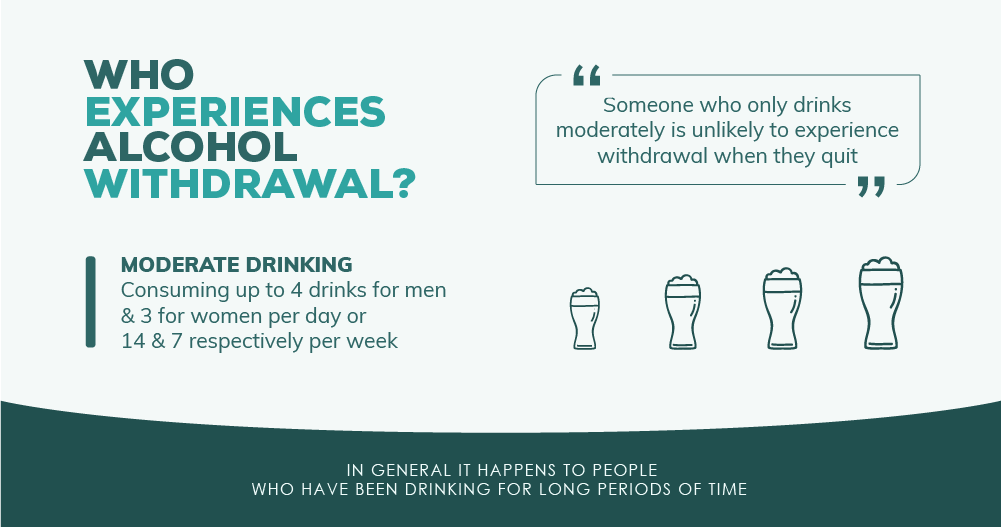
Withdrawal risk isn’t limited to people who drink every day or who consider themselves dependent. Anyone who drinks heavily or frequently enough for the brain to adapt to alcohol can experience withdrawal when they stop.
The risk increases the longer alcohol has been part of someone’s routine and the more often drinking is used to relax, sleep, or steady nerves. People who have gone through withdrawal before are also more likely to experience stronger symptoms in the future, even if their drinking hasn’t increased.
Why Alcohol Withdrawal Happens in the First Place
Alcohol slows down the brain and nervous system. Over time, the brain adjusts by increasing activity in areas that control alertness, heart rate, and stress response. This is how the body keeps functioning while alcohol is present. Once alcohol is removed, those systems don’t immediately slow back down.
Instead, the brain stays stuck in overdrive, which leads to the physical and mental symptoms associated with withdrawal. This imbalance explains why withdrawal often feels like intense anxiety, restlessness, and loss of control rather than a simple hangover.
How Alcohol Withdrawal Shows Up in the Body
Early withdrawal symptoms reflect a nervous system that’s suddenly overstimulated. Shaking, sweating, nausea, headaches, and a racing heart all stem from the brain pushing the body into a heightened stress response. Sleep becomes difficult because the brain no longer knows how to slow itself down without alcohol.
Anxiety and irritability tend to rise for the same reason. As withdrawal progresses, symptoms can shift from uncomfortable to dangerous, especially when brain activity becomes so dysregulated that it affects perception, blood pressure, and heart rhythm.
How Does Alcohol Withdrawal Feel Physically?
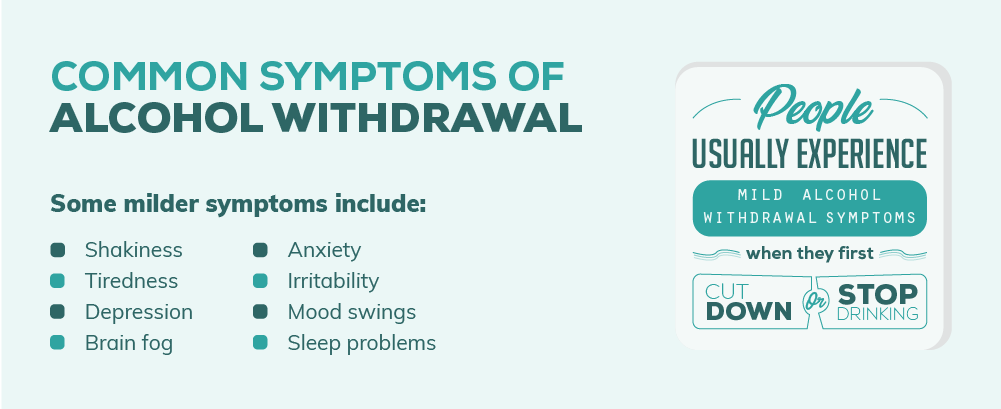
Alcohol withdrawal can affect almost every system in the body. Some symptoms are classic “nervous system” signs like tremors and sweating, while others feel more like full-body illness or digestive upset. You may experience a few of these symptoms or several at once, and intensity can shift hour to hour.
Common physical symptoms people may experience include:
- Shaking or tremors, especially in the hands
- Sweating, chills, or hot flashes
- Headaches or head pressure
- Nausea or vomiting
- Diarrhea or stomach cramps
- Loss of appetite
- Bloating, gas, or a tight, uncomfortable stomach
- Rapid heartbeat or heart palpitations
- High blood pressure
- Dizziness or lightheadedness
- Muscle aches, weakness, or heavy fatigue
- Sensitivity to light or sound
- Dilated pupils or blurry vision
- Sleep disruption, including vivid dreams or sudden waking
Digestive symptoms like nausea, bloating, and diarrhea are common because alcohol affects the gut over time. When drinking stops, the body has to recalibrate digestion, hydration, and inflammation, which can make the stomach feel unpredictable for a while. Many people also experience bloating after quitting alcohol due to the body’s natural inflammatory response and gut microbiome changes.
If symptoms escalate quickly, become severe, or feel hard to manage, medical support can help stabilize the body and reduce risk. While these symptoms are part of the body’s recalibration process, many people find relief through natural remedies for alcohol withdrawal such as specific hydration techniques and mindfulness.
When Symptoms Become Severe
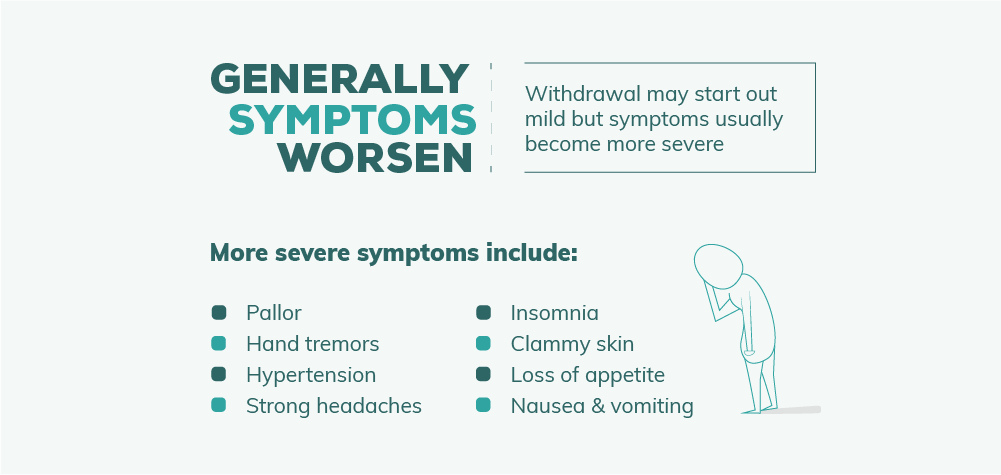
Severe alcohol withdrawal happens when the brain’s overactivity reaches a point where it disrupts normal awareness and control. Hallucinations, confusion, and seizures can develop when the brain struggles to regulate electrical signals. These symptoms are not psychological reactions or imagined fears. They are physical responses to a nervous system under extreme strain. This stage of withdrawal is unpredictable and can worsen quickly, which is why it carries serious medical risk.
What is Alcohol Withdrawal Syndrome?
When symptoms move past the mild stage and become severe, some doctors refer to this as alcohol withdrawal syndrome. The symptoms tend to vary, depending on a few different factors, such as:
- How much alcohol they drank.
- How long they have been drinking.
- Their body type.
- Their sex.
- Their age.
- Any underlying medical conditions.
When an alcoholic is diagnosed with withdrawal symptoms, doctors always recommend treatment for them. This is the only way to help the patient potentially avoid complications.

Why Alcohol Withdrawal Isn’t Something to Push Through Alone
Alcohol withdrawal can be dangerous because it can affect core systems that control heart function, breathing, temperature, and consciousness. The symptoms aren’t “something to get through.” They’re signs that the nervous system is under strain while the body tries to rebalance.
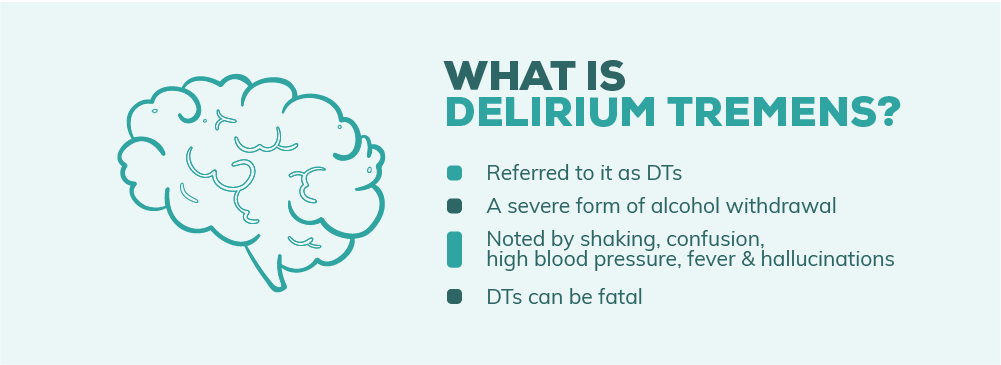
In some cases, withdrawal can escalate into seizures, hallucinations, or delirium tremens (DTs), which can cause severe symptoms including confusion, agitation, and unstable vital signs. DTs are unpredictable and can become life-threatening without medical care.
Medical support helps calm the nervous system safely, monitor for complications, and respond quickly if symptoms intensify. This is especially important for people with a history of severe withdrawal, past seizures, or long-term heavy drinking.
When Medical Help Is Needed
You should seek medical care right away if symptoms move beyond mild discomfort or start worsening quickly. Seizures, hallucinations, confusion, fever, severe shaking, chest pain, or being unable to keep fluids down all need immediate attention.
Even if withdrawal starts off feeling manageable, it can change fast. Getting help early allows providers to stabilize the body, lower risk, and prevent complications like delirium tremens before they develop.
Why Medical Detox Makes Alcohol Withdrawal Safer
Medical detox exists because alcohol withdrawal can put real strain on the brain and body, especially in the first few days after drinking stops. In a medical setting, that strain is monitored and eased instead of being left to escalate. The goal isn’t to rush withdrawal. It’s to support your nervous system while it regains balance.
How Medical Detox Helps Keep You Safe During Alcohol Withdrawal
One of the biggest benefits of medical detox is stability. Staff monitor vital signs so dangerous shifts in heart rate, blood pressure, or temperature are caught early. If the nervous system becomes overstimulated, medications can be used in a controlled way to calm brain activity. This lowers the risk of seizures, severe confusion, or delirium tremens.
Can Medical Detox Reduce Relapse Risk During Withdrawal?
Withdrawal can be mentally and physically exhausting. For many people, that stress increases the urge to drink again for quick relief. Medical detox can help by easing anxiety, supporting sleep, and managing symptoms like nausea or tremors. When symptoms feel more manageable, it’s easier to get through the toughest stretch without setbacks.
What Makes Alcohol Withdrawal More Predictable in a Supervised Setting?
Withdrawal doesn’t always follow a straight path. Symptoms can change quickly, and intensity can rise without much warning. In a supervised setting, care can adjust in real time based on how your body is responding. This flexibility is especially important if you’ve withdrawn before or you’re unsure how your symptoms will unfold.
How Medical Detox Supports the Next Step in Recovery
Medical detox can also set you up for stronger follow-through. Instead of starting treatment exhausted and depleted, you leave detox more stable and clear-headed. That stability can make therapy, support programs, and recovery planning easier to engage with.
Medical detox doesn’t replace long-term treatment. It protects your body during one of the most vulnerable phases and helps you move into the next level of care on steadier ground.
The Alcohol Withdrawal Timeline
Withdrawal symptoms often follow a pattern, though no two experiences are exactly the same. Symptoms typically begin within hours after the last drink, starting with anxiety, tremors, and nausea. Over the next day or two, the brain’s instability can increase, raising the risk of seizures and hallucinations.
For some people, symptoms peak between two and three days after stopping alcohol, when the nervous system is under the most pressure. Physical symptoms may ease after several days, but sleep issues, mood changes, and low energy can linger as the brain slowly recalibrates.

The first stage will probably begin within about 8 hours after your last drink. At first, you may just experience some nausea and vomiting. You may have some stomach pain and begin to feel depressed. You may feel tired and weak as well.
The second stage starts at about the 24-hour mark. You will notice that your blood pressure and body temperature increase. You may become anxious, irritable and/or have mood swings. There may also be some changes in your breathing rate.
The third stage is usually the most dangerous. It is during this stage that you are at risk for DTs. You may have many symptoms of the first two stages, along with possible seizures and hallucinations. You may feel really shaky and it may be hard for you to think clearly. This can last for about 72 hours.
After that, you should begin to feel better as symptoms begin to resolve. They probably will not all stop at once, but little by little, you will begin to feel more like yourself.
Get Support Through Alcohol Withdrawal
You don’t have to figure out alcohol withdrawal on your own. With the right care, symptoms can be managed safely, and the process can feel far steadier and more controlled.
Our alcohol addiction treatment programs include medical detox to help stabilize the body during withdrawal and reduce risk in those early, vulnerable days. From there, ongoing treatment supports recovery beyond the physical symptoms, helping you build a stronger foundation moving forward.
Support is available, and getting help at the right time can make a meaningful difference. Contact us today to learn how we can help you take the next step safely.
FAQs About Alcohol Withdrawal
Can alcohol withdrawal happen even if someone doesn’t drink every day?
Yes. Withdrawal depends more on how the brain has adapted to alcohol than on a strict daily pattern. Regular binge drinking or frequent heavy use can still train the nervous system to expect alcohol, which can trigger withdrawal when drinking stops.
Why do withdrawal symptoms sometimes feel worse at night?
After long-term heavy drinking, the brain adapts to alcohol’s calming effect and starts depending on it to slow down. When alcohol is removed, the nervous system can rebound into a more “wired” state, which often shows up most when you’re trying to rest. That can make it harder to relax, fall asleep, or stay asleep.
Nighttime can also feel tougher because everything is quieter. With fewer distractions, anxiety, cravings, and physical symptoms like sweating, tremors, or a racing heart can feel more noticeable.
Vivid dreams are also common during alcohol withdrawal. As sleep patterns start to reset, people may have intense, realistic dreams or nightmares, sometimes about drinking. That can be unsettling and lead to more waking up during the night, which can make withdrawal feel even more exhausting.
Can alcohol withdrawal come and go, or does it always move in one direction?
Symptoms don’t always improve in a straight line. It’s common for someone to feel better for a short time and then worse again as the nervous system continues adjusting. This unpredictability is one reason withdrawal can become risky without support.
Is it safer to slowly cut back instead of stopping all at once?
For some people, tapering may reduce shock to the system, but it isn’t always safe or effective without medical guidance. Because alcohol itself is unpredictable in strength and timing, tapering can still lead to sudden withdrawal symptoms.
Why do people relapse during or right after withdrawal?
Relapse often happens because symptoms are overwhelming, not because of lack of willpower. Anxiety, insomnia, and physical distress can push someone to drink again to calm the nervous system, even when they truly want to stop.
How long does it take for the brain to feel normal again?
The brain begins stabilizing within days, but full regulation can take weeks or longer depending on drinking history. Improvements in sleep, mood, and focus tend to happen gradually rather than all at once.
Does having withdrawal symptoms mean someone has an alcohol use disorder?
Not necessarily. Withdrawal signals physical dependence, which can exist on a spectrum. Some people experience withdrawal before they ever identify with a diagnosis, while others develop it after years of use.
Can alcohol withdrawal be more dangerous the second or third time?
Yes. Each withdrawal episode can sensitize the nervous system, increasing the risk of more severe symptoms in future attempts. This is why repeat withdrawals often require closer medical oversight.
What’s the biggest misconception about alcohol withdrawal?
That it’s mainly psychological or something a person should be able to push through. In reality, withdrawal is a physical process driven by brain chemistry, and ignoring it can lead to serious complications.