

Dual Diagnosis Treatment in Littleton, CO
Integrated outpatient care for substance use and co-occurring mental health concerns.
Coordinated Dual Diagnosis Care in Littleton, CO
Mental health symptoms and substance use can reinforce one another. Treating only one may leave important parts of the problem unaddressed. Dual diagnosis treatment brings both into the same plan, helping you understand how they connect and develop healthier ways to manage them.
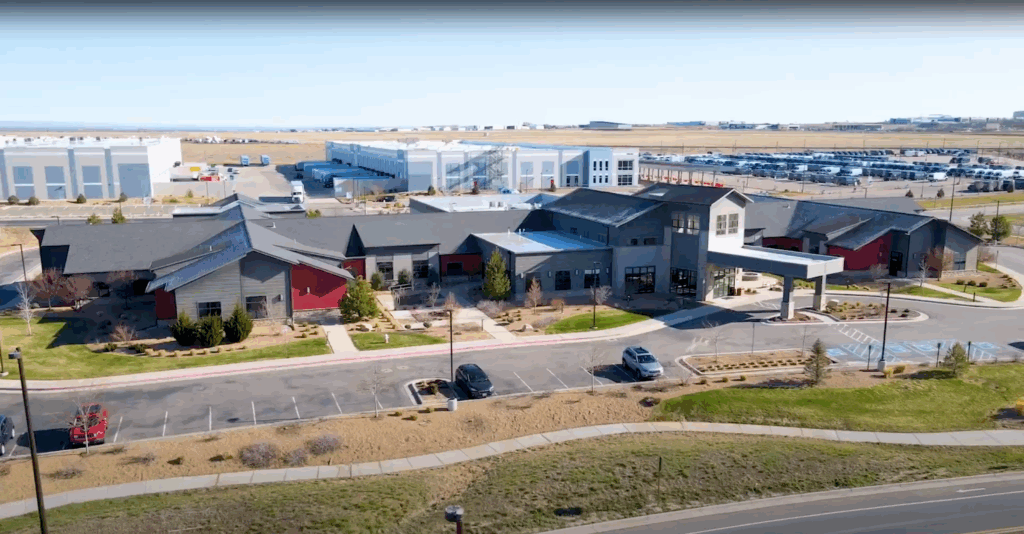
Our Littleton facility offers partial hospitalization and intensive outpatient programs for adults. Both provide structured clinical care without requiring an overnight stay.
About Our Outpatient Treatment Center in Littleton
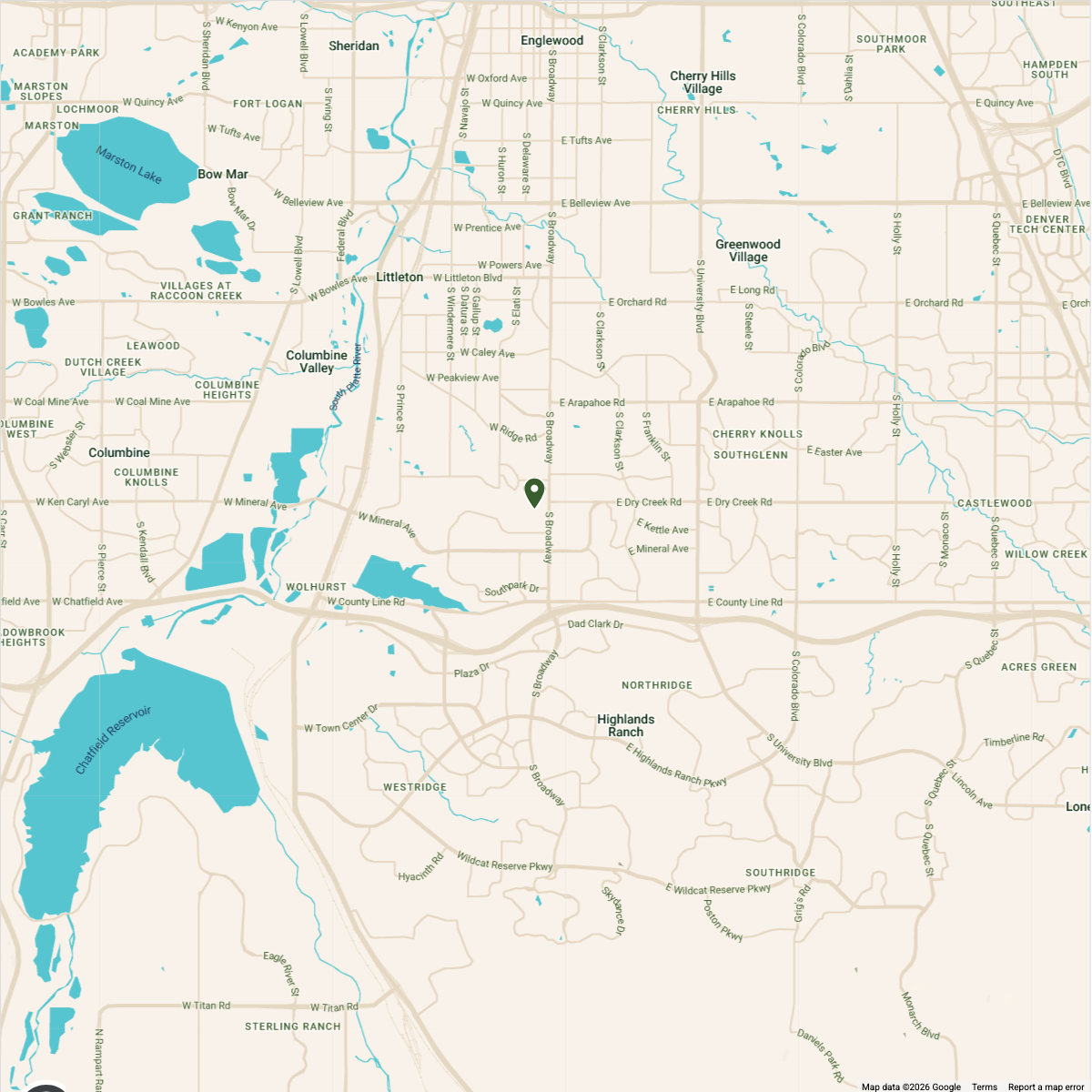
Northpoint Recovery provides outpatient dual diagnosis treatment at our South Littleton clinic. Located near West Mineral Avenue and South Windermere Street, the facility serves Littleton and nearby communities such as Highlands Ranch, Centennial, Englewood, Columbine, Sheridan, and Greenwood Village.
The facility also serves nearby communities such as Highlands Ranch, Centennial, Englewood, Columbine, Sheridan, and Greenwood Village. West Mineral Avenue provides access from South Broadway and Santa Fe Drive without requiring regular trips into central Denver.
Northpoint Outpatient – Littleton
1241 West Mineral Ave, Suite 101
Littleton, Colorado 80120
Our Outpatient Dual Diagnosis Programs
An initial assessment helps your care team understand your substance use, mental health symptoms, medical history, daily responsibilities, and treatment goals. This information guides the recommended program and your personalized care plan.
Partial Hospitalization Program
Our partial hospitalization program provides about 30 hours of treatment each week. This structured schedule allows substance use and mental health concerns to be addressed together while you continue living at home.
Intensive Outpatient Program
Our intensive outpatient program provides nine or more hours of weekly treatment. Morning and evening sessions make it easier to receive consistent care while managing work, school, family, and other responsibilities.
Virtual Outpatient
Secure telehealth gives eligible clients another way to participate in treatment. Virtual care may be helpful when transportation, work, or family obligations make regular trips to the Littleton clinic difficult.

Help Finding the Right Level of Care
Some people can begin dual diagnosis treatment in an outpatient program. Others may need detox, inpatient care, or more intensive mental health support first.
A confidential assessment considers substance use, mental health symptoms, medical needs, safety, and daily circumstances. If outpatient treatment is not the right starting point, our admissions team can explain the available options.
What Makes Northpoint Different?
Integrated Treatment Plans
Substance use and mental health concerns are treated as connected parts of the same clinical picture rather than separate problems.
Skills for Long-Term Stability
Build practical ways to manage cravings, stress, difficult emotions, and other challenges that can affect both mental health and recovery.
Respectful, Personalized Care
Your experiences, symptoms, and goals guide treatment. Care is adjusted to reflect what you need rather than following one fixed approach.
Clear Next Steps After Treatment
Your care team will help you plan for continued therapy, psychiatric care, recovery resources, and other services that can support your progress after the program.

70%
of Northpoint patients complete the recommended episode of care.

Therapies That Heal the Whole Person
Dual diagnosis treatment combines evidence-based therapies with psychiatric services when clinically appropriate. Your specific treatment plan may include:
- Individual counseling using CBT, DBT, trauma-focused methods, and other clinical approaches
- Group therapy focused on shared challenges, practical skills, and accountability
- Family counseling to strengthen communication and address unhealthy patterns
- Psychiatric evaluations for co-occurring mental health symptoms
- Medication management when clinically appropriate
- Education about the relationship between mental health and substance use
- Coping and emotional regulation skills
- Relapse prevention and continuing care planning
Treatment may address concerns such as anxiety, depression, trauma, or other mental health symptoms alongside alcohol or drug addiction. Your care team will regularly review your progress and adjust the plan as your needs change.
Insurance Coverage for Dual Diagnosis Treatment
Northpoint Recovery works with many national and regional insurance providers to help make treatment more affordable. Coverage depends on your specific plan, benefits, network, and recommended level of care.
Here’s How We Help:
- In-network with many national and regional insurers
- Quick and confidential insurance verification
- Dedicated team to explain your benefits and walk you through the process
- Transparent info on any expected costs before you start
Not sure if your plan covers care? Contact us and we’ll check for you — quickly and at no cost.

FAQs About Outpatient Dual Diagnosis Care in Littleton, CO
What is dual diagnosis treatment?
Dual diagnosis treatment addresses a substance use disorder and a co-occurring mental health condition within the same care plan. This allows treatment to account for how the two concerns may affect one another.
Is dual diagnosis the same as co-occurring disorders?
Yes. Both terms describe having a substance use disorder and a mental health condition at the same time.
Do I need a mental health diagnosis before starting treatment?
No. The initial assessment can identify symptoms that may require further evaluation. Your care team can then determine whether psychiatric services should be included in your treatment plan.
What conditions can be addressed through dual diagnosis care?
Treatment may address substance use alongside anxiety, depression, trauma, or other mental health concerns. The specific services included depend on your symptoms and clinical needs.
Can I work or attend school during dual diagnosis treatment?
Many clients continue working, attending school, or caring for family during treatment. Morning and evening IOP sessions can make it easier to balance care with daily responsibilities.