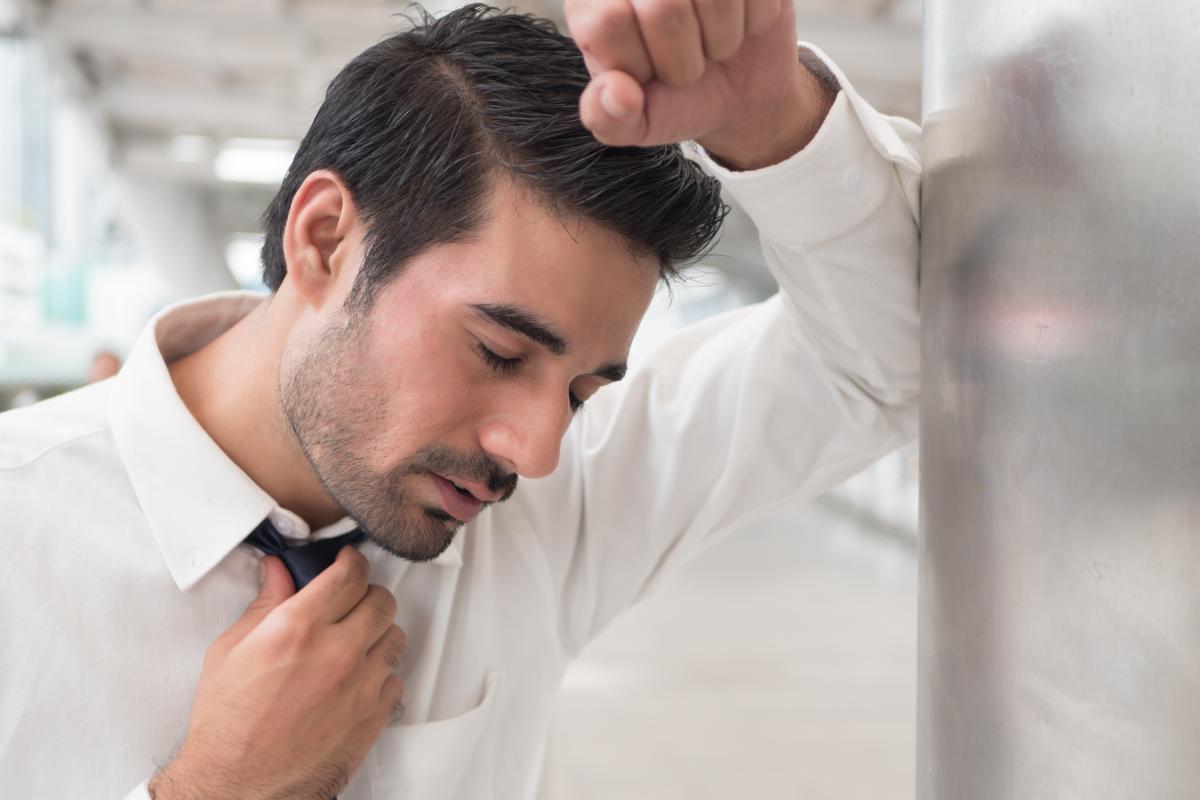

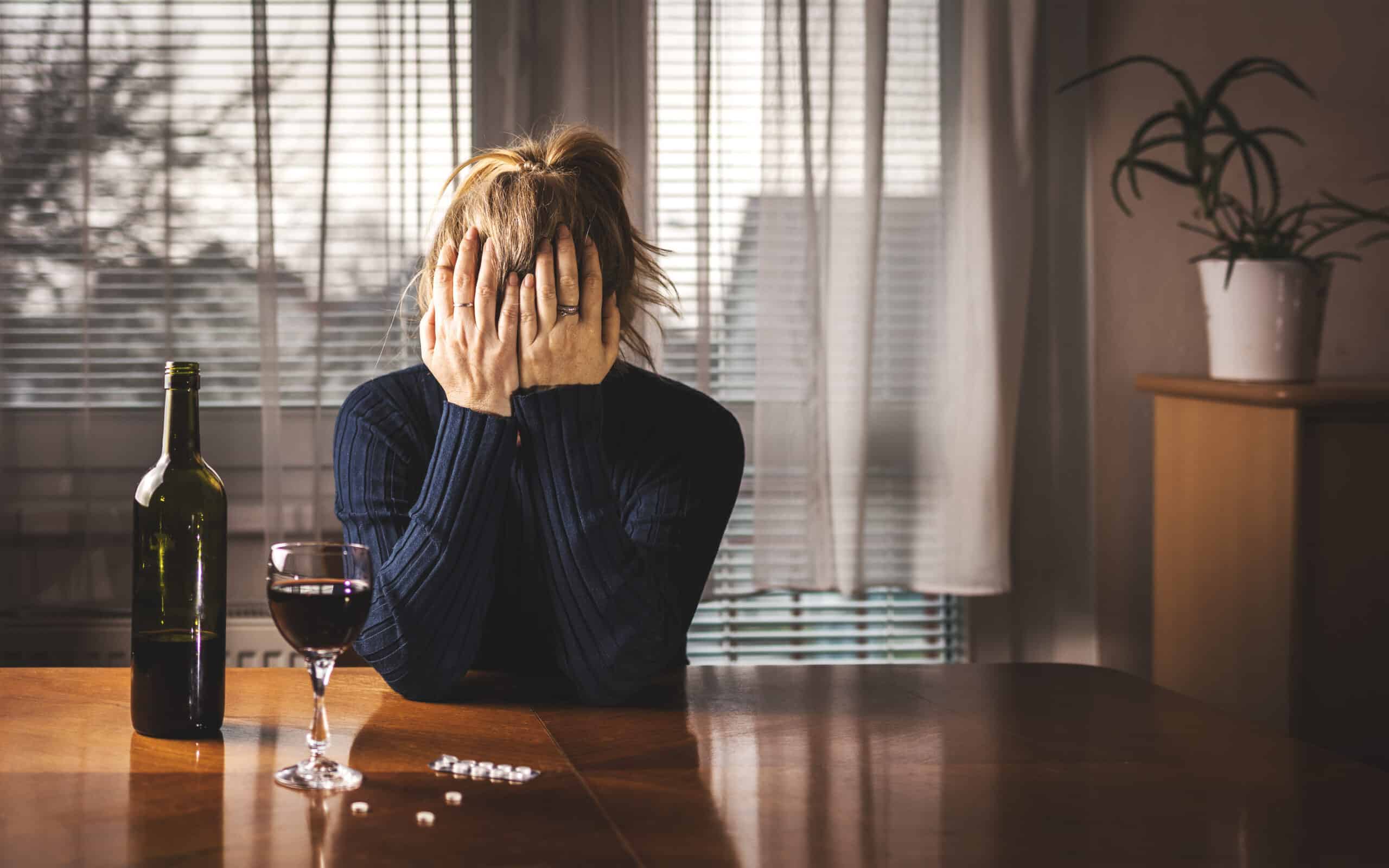
Mixing kratom and alcohol is risky because the two substances can intensify each other’s effects on breathing, the liver, and the heart. Kratom acts on the same brain receptors as opioids, and alcohol is a depressant. Together, they can raise the risk of dangerously slowed breathing, liver damage, and overdose, especially at higher doses or when other substances are involved.
Kratom has become easy to find in gas stations, smoke shops, and online, and many people assume that because it’s sold legally, it’s safe to combine with a drink. Health agencies have warned otherwise. The CDC has noted that kratom can lead to severe adverse effects, especially when combined with alcohol or other drugs.
Key Takeaways:
- Kratom acts on opioid receptors in the brain, and alcohol is a depressant. Combining them can intensify risks to breathing, the liver, and the heart.
- Most kratom-related deaths have involved other substances, and alcohol is one of the substances most often used with kratom.
- Kratom’s stimulant effects at lower doses may make it harder to tell how impaired someone is from alcohol.
- Kratom can stay in the body longer than its effects last, so there’s no established waiting period that makes drinking afterward safe.
- People with liver or heart conditions, mental health conditions, or who take other sedating medications face higher risks.
- Slow or shallow breathing, extreme drowsiness, confusion, or a seizure after mixing the two is a medical emergency. Call 911.
What Is Kratom?
Kratom (Mitragyna speciosa) is a tropical tree native to Southeast Asia. Its leaves contain two main active compounds, mitragynine and 7-hydroxymitragynine (7-OH), which act on opioid receptors in the brain. According to the National Institute on Drug Abuse, kratom can cause both opioid-like and stimulant-like effects. At lower doses, people often report more energy and alertness. At higher doses, kratom tends to be sedating.
Kratom is sold as powder, capsules, tablets, liquid shots, and concentrated extracts. Some people use it to manage pain, fatigue, or opioid withdrawal, but the FDA has not approved kratom for any medical use.
Deaths involving kratom are relatively rare, but most have involved other substances. In a CDC analysis of more than 27,000 overdose deaths, 152 people had kratom in their system, and kratom was listed as a cause of death in 91. In nearly all of those cases, other substances were also present.
What Is 7-OH?
7-OH is one of kratom’s natural compounds, but it’s also sold in concentrated or synthetic products that are much stronger than the leaf itself. These products have raised enough concern that federal regulators are moving to control them. The DEA has announced its intent to temporarily place 7-OH above a specified threshold in Schedule I, and three related synthetic compounds were placed in Schedule I in August 2026. Botanical kratom remains federally unscheduled, though several states restrict or ban it.
Because 7-OH products are more potent, combining them with alcohol may carry even greater risk than combining alcohol with kratom leaf.
Dangers of Mixing Kratom and Alcohol
Research on kratom and alcohol specifically is limited, but what’s known about each substance points to real risks when they’re combined. Alcohol also shows up often alongside kratom in reported cases. Among poison center calls involving kratom and other substances, alcohol was among the most commonly reported.
Part of the danger comes from how the two interact. At lower doses, kratom’s stimulant effects may make someone feel more alert than they really are, which can lead them to drink more than they otherwise would. At higher doses, kratom’s sedating effects can add to alcohol’s, slowing the body down further.
Here’s how the effects of each substance can overlap.
| Area | Kratom | Alcohol | Combined Risk |
|---|---|---|---|
| Nervous system | Stimulating at lower doses, sedating at higher doses | Depressant | Stimulant effects may mask impairment; sedation may stack at higher doses |
| Breathing | Respiratory problems have been reported | Slows breathing at high amounts | Higher risk of dangerously slowed breathing |
| Liver | Liver injury has been reported | Heavy use damages the liver | Added strain on the liver |
| Heart | Rapid heart rate and high blood pressure have been reported | Can raise heart rate and blood pressure | Possible added strain on the heart |
| Seizures | Seizures have been reported | Withdrawal after heavy use can cause seizures | Possible higher seizure risk, especially during withdrawal |
| Dependence | Can cause dependence and withdrawal | Can cause dependence and dangerous withdrawal | Dependence on both can complicate detox |
Respiratory Depression
One of the primary dangers of mixing kratom and alcohol is respiratory depression. Both substances can depress the central nervous system, slowing breathing and heart rate. This effect can be intensified when the two are mixed, increasing the risk of respiratory failure, particularly at higher doses. Respiratory depression is serious because it can lead to oxygen deprivation and even death if it isn’t treated quickly.
Liver Damage
Heavy drinking is a well-known cause of liver disease, and kratom has also been linked to liver injury. NIDA notes that kratom used with other substances has been associated with severe effects, including liver problems. Signs of liver trouble can include yellowing of the skin or eyes, dark urine, pain in the upper right abdomen, and unusual fatigue. Anyone who notices these symptoms should see a doctor promptly.
Heart Problems
Kratom has been linked to rapid heart rate and high blood pressure, particularly at higher doses. Heavy drinking can also raise blood pressure and trigger irregular heart rhythms. When the two are combined, the heart may be under more strain than with either substance alone. This is especially concerning for people who already have high blood pressure, heart disease, or a history of irregular heartbeat.
Seizures
Seizures have been reported in people who use kratom, often at high doses or with other substances. Alcohol adds a second risk. People who drink heavily over a long period can have seizures when they suddenly stop or cut back. Someone dependent on both kratom and alcohol who stops using them abruptly may face a higher seizure risk, which is one reason withdrawal is safest with medical support.
Nausea, Vomiting, and Choking
Nausea and vomiting are common side effects of kratom, and drinking too much alcohol can cause them too. Combining the two can make both more likely. The bigger danger comes when someone is also very drowsy or not fully conscious. In that state, they may not be able to clear their airway if they vomit, which can lead to choking or inhaling vomit into the lungs. If someone is vomiting and hard to wake, turn them on their side and call 911.
Drug Interactions
Kratom can change how the body processes some medications. In the first clinical study of kratom drug interactions, a single low dose of kratom tea raised blood levels of midazolam, a benzodiazepine, by about 40%. The researchers concluded that combining kratom with certain drugs could lead to serious interactions.
Alcohol also interacts with many medications, including opioids, benzodiazepines, sleep aids, some antidepressants, and antihistamines. When kratom, alcohol, and a medication are all in the mix, each can add to the others’ effects, and kratom may raise how much of the medication stays in the body. Anyone who takes prescription or over-the-counter medications should talk with a doctor or pharmacist before using kratom.
Cognitive Impairment
Both substances on their own can impair judgment, coordination, and thinking. When used together, people may experience more confusion, trouble concentrating, and poor decision-making. This can lead to accidents, injuries, and risky behaviors like driving under the influence or unsafe sex.
Mental Health Concerns
Mixing kratom and alcohol can worsen mental health conditions like anxiety, depression, and bipolar disorder. Both substances affect brain chemistry in ways that can shift mood and intensify symptoms. People with a history of substance use problems may also be more vulnerable to the reinforcing effects of combining the two, which can raise the risk of addiction.
Contaminated and Inconsistent Products
Kratom isn’t regulated for purity or strength the way medications are, so what’s in the package isn’t always what the label says. The FDA has found lead and nickel in kratom products at levels that exceed safe daily intake, and kratom products were also linked to a multistate salmonella outbreak in 2018.
Strength can vary widely from one product to the next, and concentrated extracts and 7-OH products are much more potent than plain leaf powder. Some drinks and shots marketed as alcohol alternatives also contain kratom, which isn’t always obvious at first glance. All of this makes it harder to know how much someone is actually taking, and that’s a problem when alcohol is involved too.
Overdose
The effects of both kratom and alcohol depend on the dose, so higher amounts lead to stronger and more dangerous effects. When the two are combined, people may take more of each than they realize. Kratom’s stimulant effects can make someone feel less drunk than they are, and alcohol can lower inhibitions around taking more kratom.
Several things can push that risk higher. Concentrated 7-OH products are far more potent than kratom leaf, so a typical serving may hit much harder than someone expects. Kratom products also vary widely in strength, and some have been found contaminated with other substances. Adding a third substance, such as opioids, benzodiazepines, or sleep medication, raises the risk further.
Signs of overdose include severely slowed breathing, extreme drowsiness, blue or gray lips, loss of consciousness, and seizures. An overdose is a medical emergency and can be fatal.
Signs of a Dangerous Reaction
Mixing kratom and alcohol can turn into an emergency quickly, especially with high doses, concentrated 7-OH products, or other substances in the mix. Kratom products have also been found contaminated with other drugs, which adds to the risk.
Get emergency help right away if someone shows signs like:
- Slow, shallow, or irregular breathing
- Extreme drowsiness or being hard to wake
- Blue or gray lips or fingertips
- Severe confusion
- A seizure
- Vomiting while drowsy or not fully awake
If you suspect an opioid-type overdose and have naloxone (Narcan), give it while you wait for help. Naloxone won’t harm someone who hasn’t taken opioids, and it may help if kratom or a contaminated product is involved.
When to Get Urgent Help
Call 911 if someone who has mixed kratom and alcohol has slow or shallow breathing, can’t be woken, has blue or gray lips, is severely confused, or has a seizure. Stay with them, and if they’re vomiting, turn them on their side.
For questions about a possible bad reaction to kratom, a 7-OH product, or alcohol, Poison Control is available at 1-800-222-1222 in the United States.
How Long Does Kratom Stay in Your System?
Kratom can stay in the body well after its effects seem to wear off. In the first study of how the human body processes kratom, mitragynine reached its peak level in the blood within about an hour. In those regular users, it took roughly a day on average for blood levels to fall by half. Researchers have since questioned how precise that estimate is, and the timing likely varies by person, dose, and product.
What this means for drinking is that feeling sober from kratom doesn’t mean it’s gone. Someone who takes kratom in the morning and drinks in the evening may still have it in their system. People who use kratom daily may have it in their body most of the time, so there may be no point in the day when drinking is free of interaction risk.
The reverse matters too. The body processes alcohol slowly, roughly one standard drink per hour, so taking kratom after a night of drinking or to ease a hangover can still mean the two overlap. There’s no established waiting period that makes mixing kratom and alcohol safe.
Who Is at Higher Risk When Mixing Kratom and Alcohol?
Mixing kratom and alcohol carries risks for anyone, but some people are more likely to have serious problems.
People With Liver Disease
Both alcohol and kratom have been linked to liver damage. For someone whose liver is already affected by hepatitis, fatty liver disease, or past heavy drinking, adding kratom may put further strain on an organ that’s already struggling.
People With Heart Conditions
High blood pressure, heart disease, and irregular heart rhythms can all be made worse by the effects kratom and alcohol have on heart rate and blood pressure.
People With Mental Health Conditions
Kratom and alcohol can both affect mood. People living with depression, anxiety, or bipolar disorder may find their symptoms get worse, and they may be more likely to use both substances to cope.
People Taking Other Medications or Substances
Opioids, benzodiazepines, sleep medications, gabapentin, and some antidepressants can all add to the sedating effects of kratom and alcohol. Kratom may also raise blood levels of some medications. The more substances involved, the higher the risk of overdose.
People Using Concentrated or 7-OH Products
Extracts, shots, and 7-OH products are much stronger than kratom leaf. Their potency can be unpredictable, which makes combining them with alcohol especially dangerous.
People in Recovery
People in recovery from alcohol or opioid use may turn to kratom, sometimes believing it’s a safer option. But kratom can cause dependence of its own, and using it alongside alcohol can make relapse and dependence on both more likely.
Kratom, Alcohol, and Addiction
Like other substances with opioid-like effects, kratom can lead to dependence. People who use it regularly may build tolerance and have withdrawal symptoms when they stop, such as muscle aches, irritability, trouble sleeping, and cravings.
Using kratom and alcohol together can make both harder to stop. Some people take kratom to ease a hangover or cut back on drinking, then find themselves relying on both. Stopping alcohol after heavy, long-term use can cause serious withdrawal symptoms, including seizures in some cases. That’s why quitting both at once is safest with medical detox rather than on your own.
Treatment can address both substances together. Programs for alcohol addiction and drug addiction can help people manage withdrawal, understand what’s driving their use, and build a plan for recovery. When anxiety, depression, or another mental health condition is part of the picture, dual diagnosis treatment can treat both at the same time.
Frequently Asked Questions About Mixing Kratom and Alcohol
1. Is it safe to mix kratom and alcohol?
No. Mixing kratom and alcohol can intensify risks to breathing, the liver, and the heart, and it can raise the risk of overdose. Most deaths involving kratom have involved other substances, and alcohol is one of the substances most commonly used with it.
2. What happens when you drink alcohol after taking kratom?
Effects vary by dose and product. At lower doses, kratom’s stimulant effects may make it harder to notice how impaired you are, which can lead to drinking more. At higher doses, kratom’s sedating effects can add to alcohol’s, increasing drowsiness and the risk of slowed breathing.
3. Can kratom and alcohol damage your liver?
Yes. Heavy drinking is a well-known cause of liver disease, and kratom has also been linked to liver injury. Using them together may add strain on the liver. Yellowing skin or eyes, dark urine, or upper abdominal pain should be checked by a doctor.
4. Is kratom legal?
Botanical kratom is not federally controlled, but several states and cities restrict or ban it. In 2026, the DEA placed three 7-OH-related synthetic compounds in Schedule I and moved to temporarily schedule concentrated 7-OH products. Laws are changing quickly, so it’s worth checking current rules where you live.
5. How do you stop using kratom and alcohol?
Talk with a doctor or treatment provider before stopping both, especially after heavy or long-term use. Alcohol withdrawal can be dangerous, and kratom withdrawal can cause cravings and discomfort that make relapse more likely. Medical detox followed by addiction treatment can make the process safer.
6. How long after taking kratom can you drink alcohol?
There’s no established safe waiting period. Kratom can stay in the body long after its effects fade, and one human study found blood levels took about a day on average to drop by half in regular users. People who use kratom daily may always have some in their system, so drinking at any point carries some interaction risk.
7. Does kratom interact with medications?
Yes. Kratom can affect how the body processes some medications. In one clinical study, a single low dose of kratom tea raised blood levels of a benzodiazepine by about 40%. Combining kratom with alcohol and sedating medications like opioids, benzodiazepines, or sleep aids can be especially dangerous.
Find Compassionate, Comprehensive Addiction Treatment
If you or someone you love is using kratom and alcohol together, help is available. At Northpoint Recovery, treatment is tailored to each person’s needs, from medical detox through ongoing support in recovery. Contact us online to get started.